A Backyard Ultra sounds simple enough.
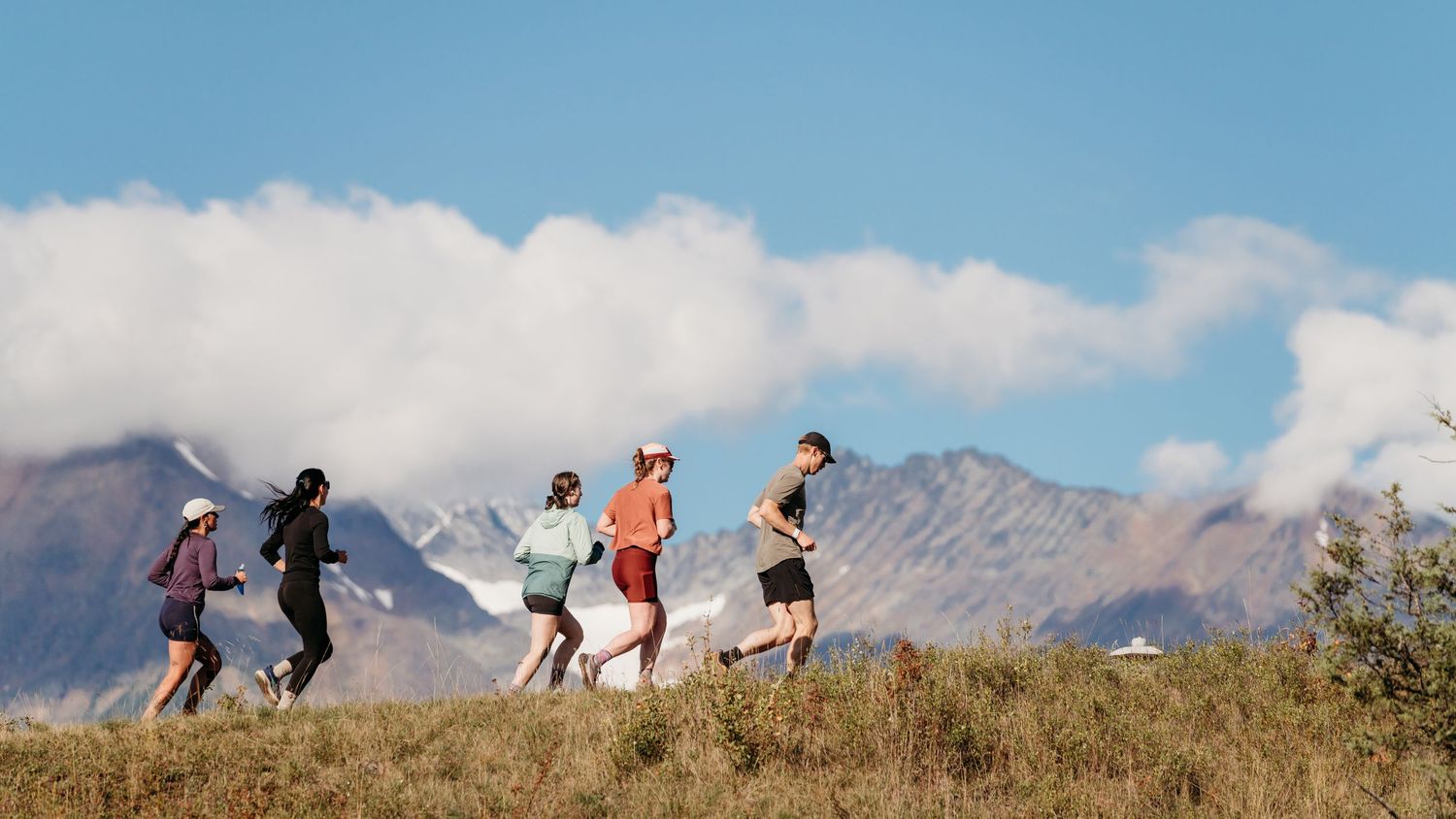
Every hour, on the hour, runners line up and complete the same loop, also known as a “yard.” Finish with time to spare and you can sit down, eat, change your socks, drink a coffee or question your life choices. But when the next hour begins, you must be back at the start line, ready to do it all over again.
And again.
And again.
There is no set distance and no predetermined finish line. The race ends only when there is one runner left who can complete one more yard than everyone else.
It is a format that strips running down to something remarkably simple: You just need to keep showing up.
But not all Backyard Ultras are created equal, and Roots, Ridges & Regrets is definitely not your average race.
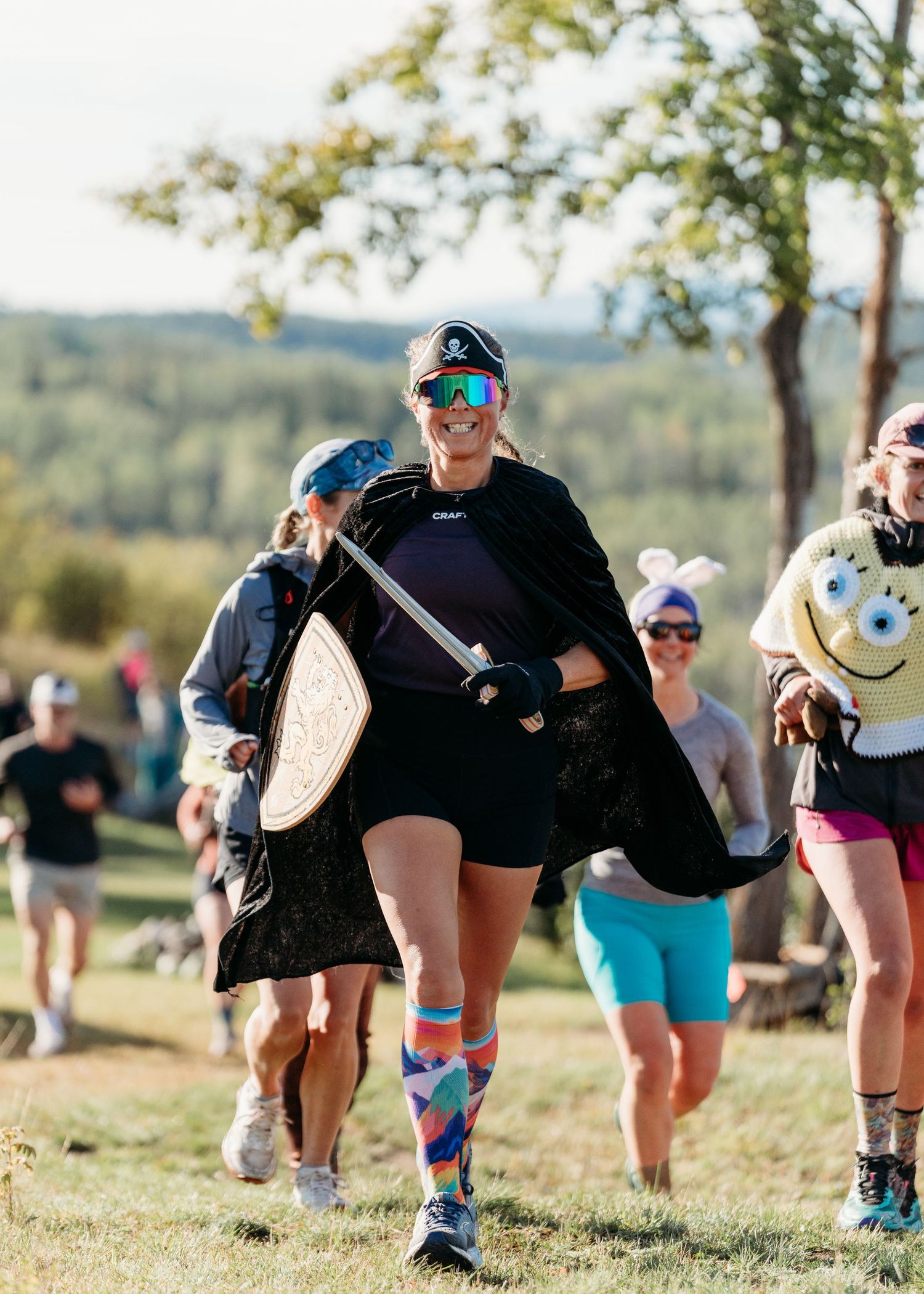
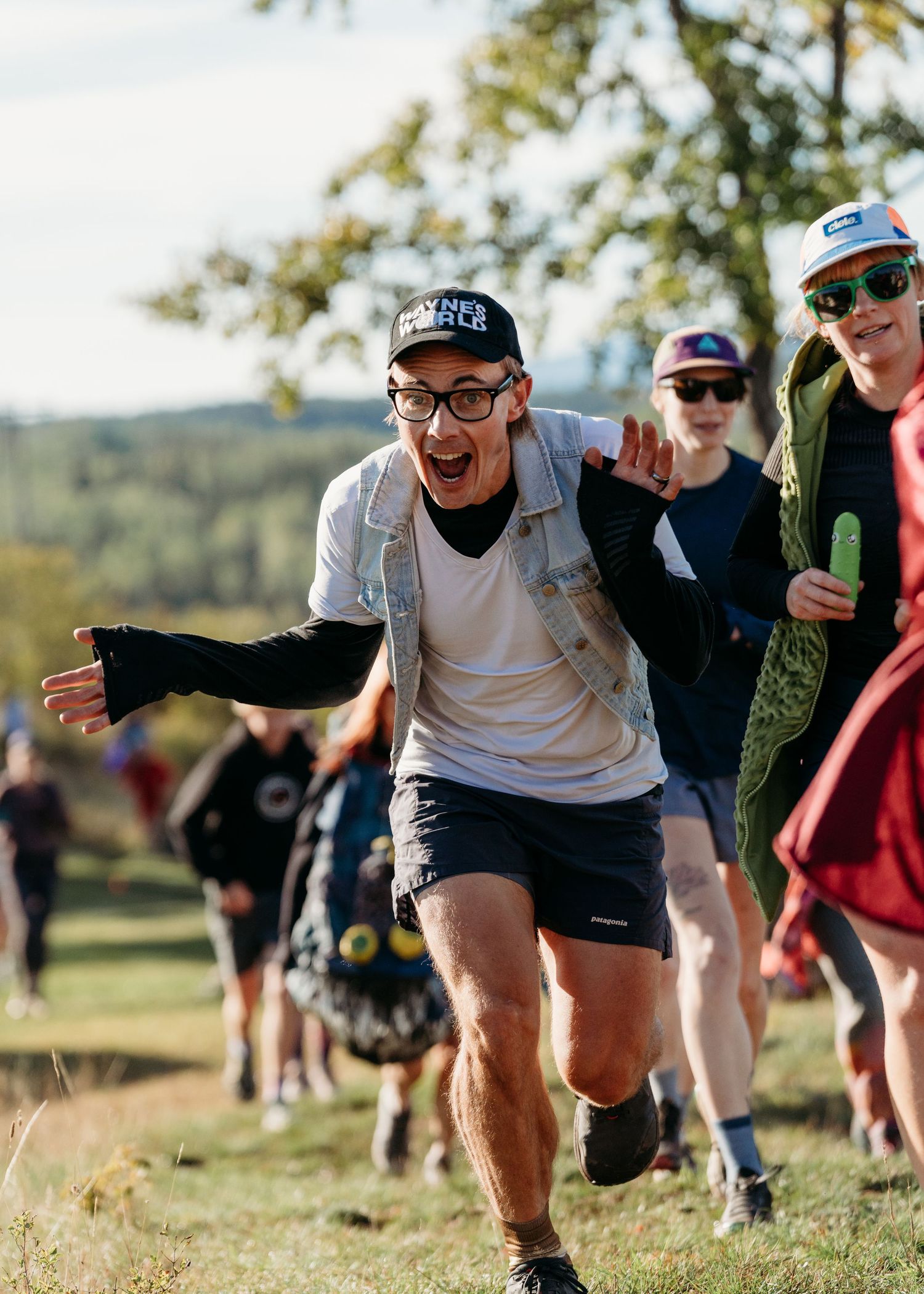
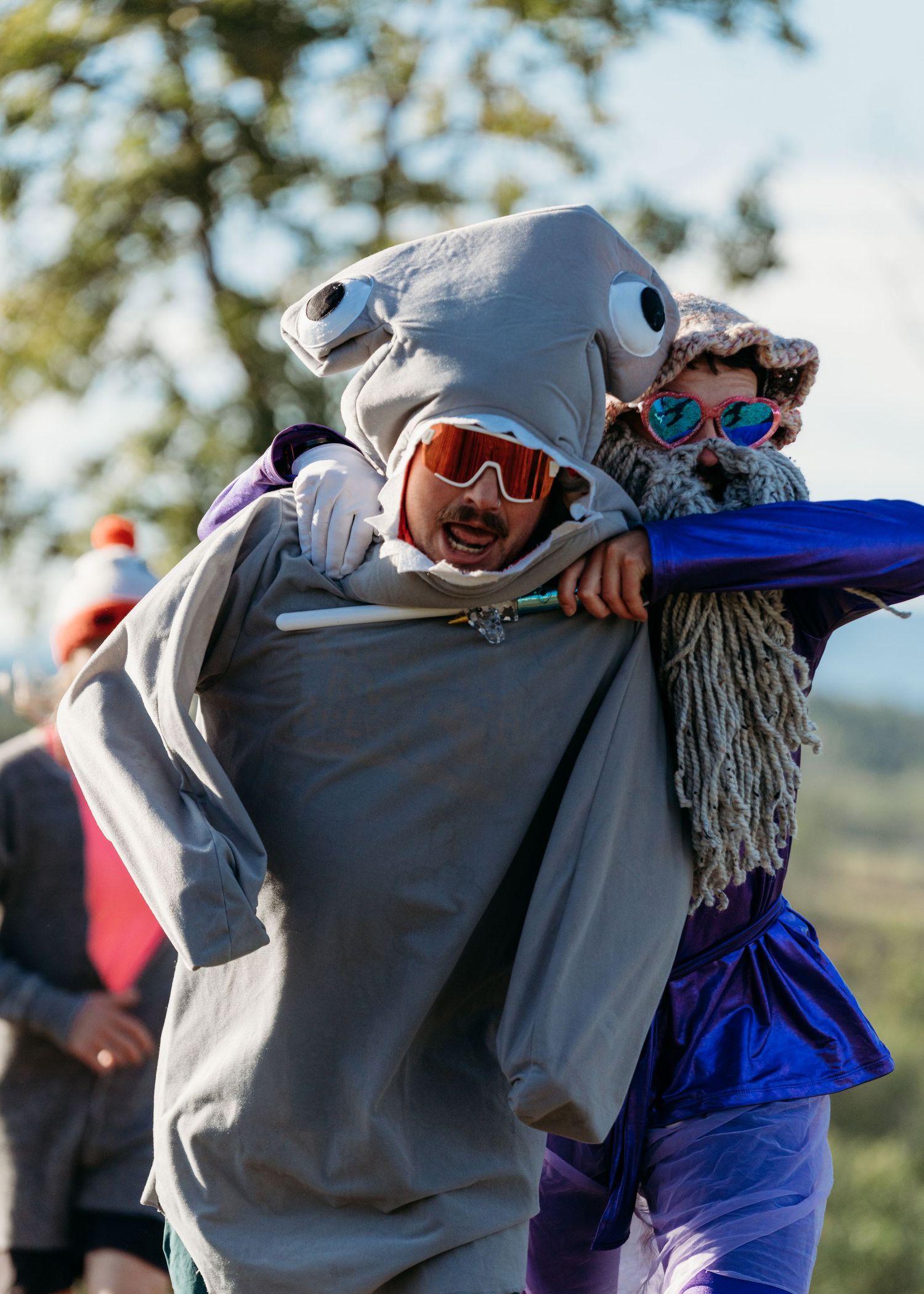
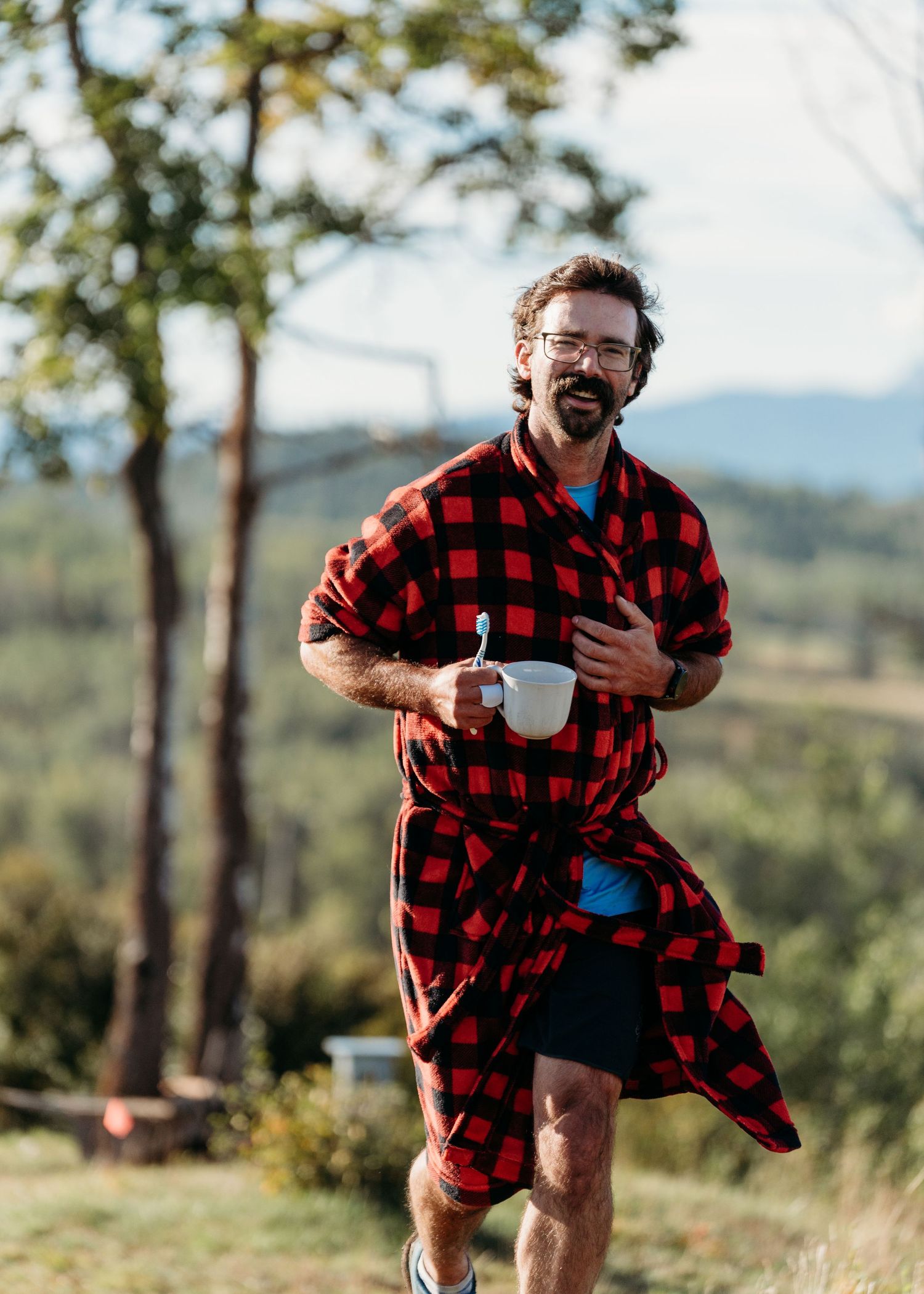
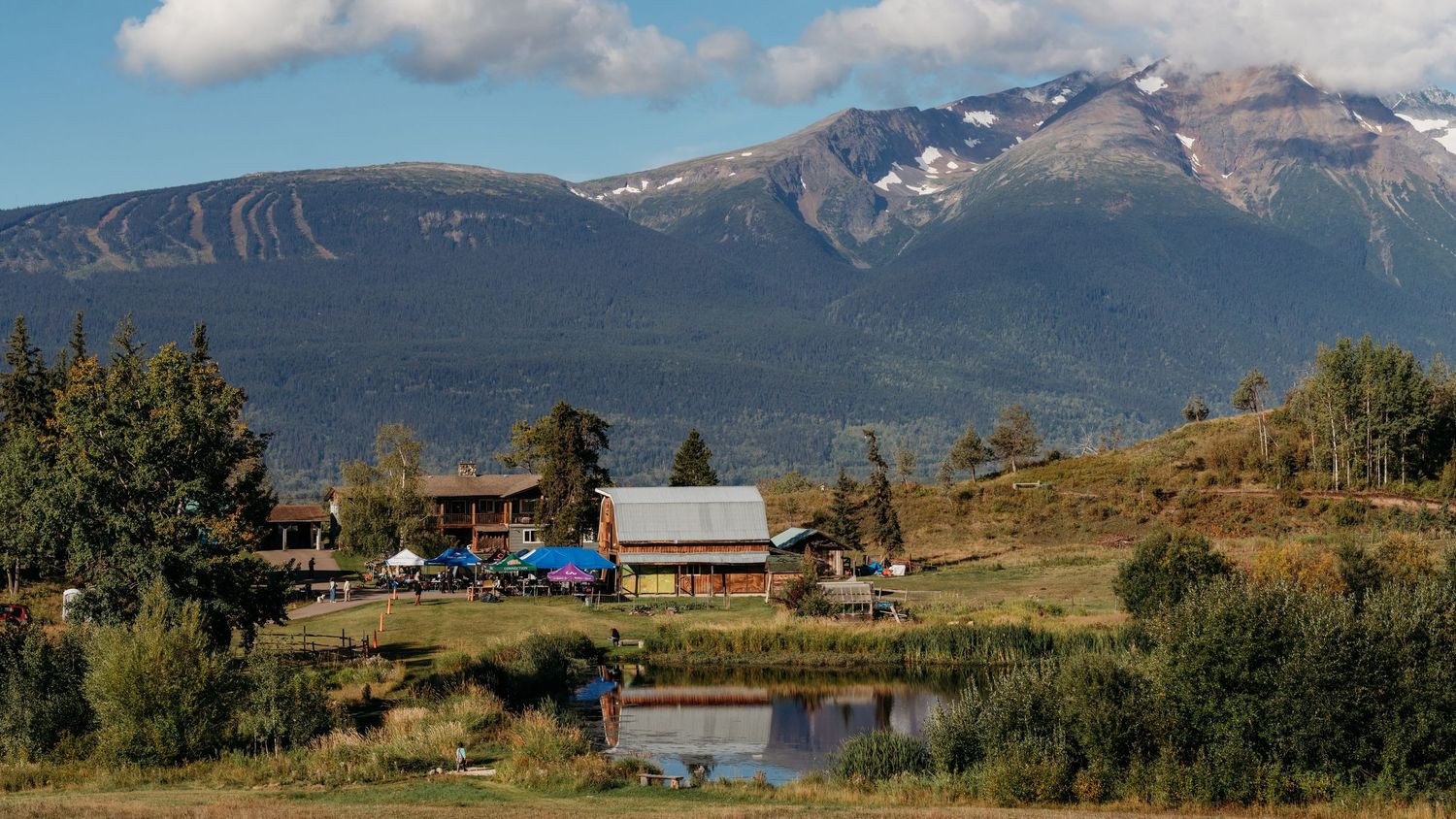
This was my second year experiencing Roots, Ridges & Regrets in its entirety, and arriving at the Buri Family property on race morning, I was immediately reminded of what makes this event so special. There is nothing particularly polished or pretentious about RRR, and that is exactly what makes it such an amazing event.
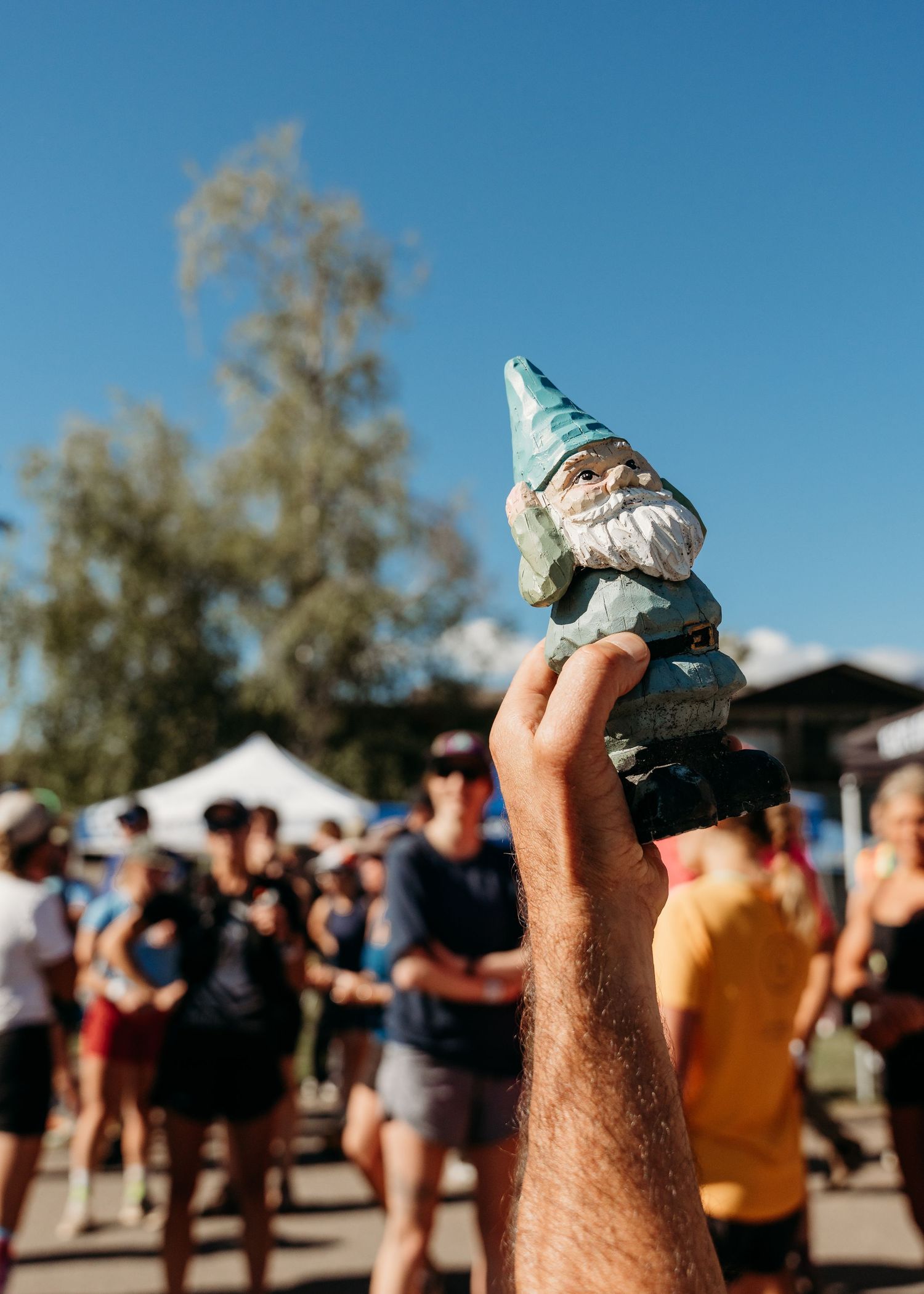
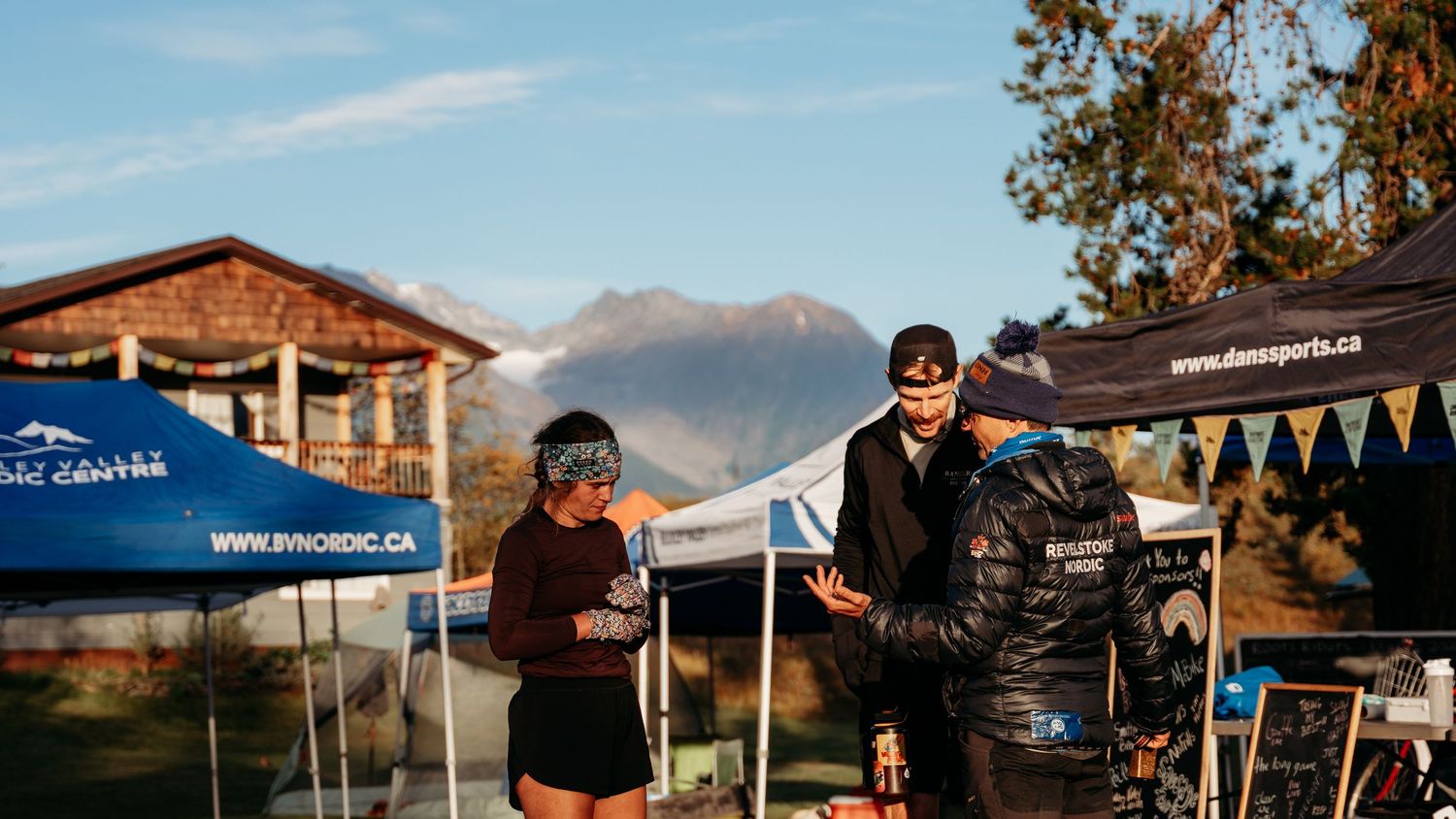
Runners, families, kids and volunteers milled around the property, hauling coolers, setting up tents and preparing for what lay ahead.
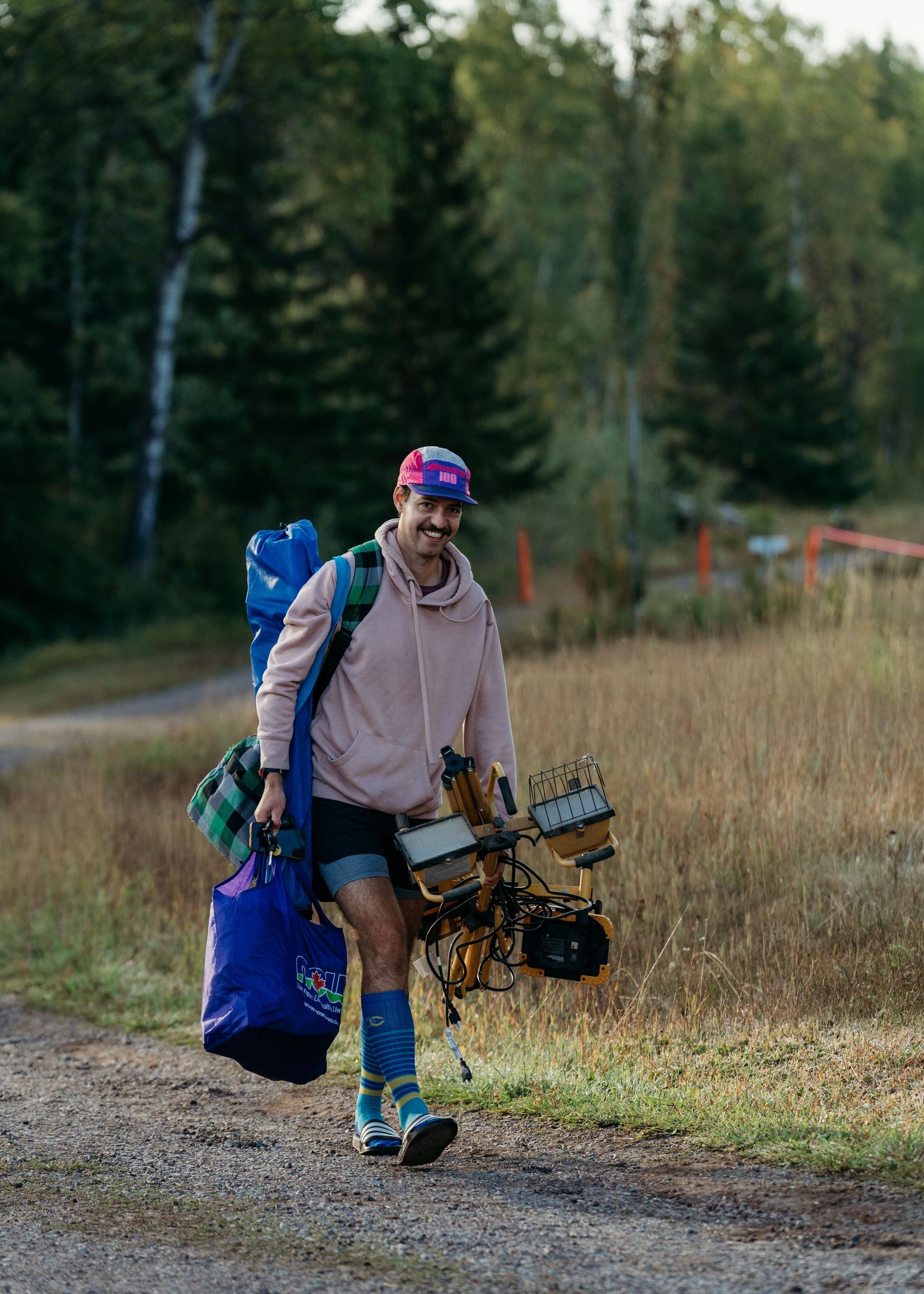
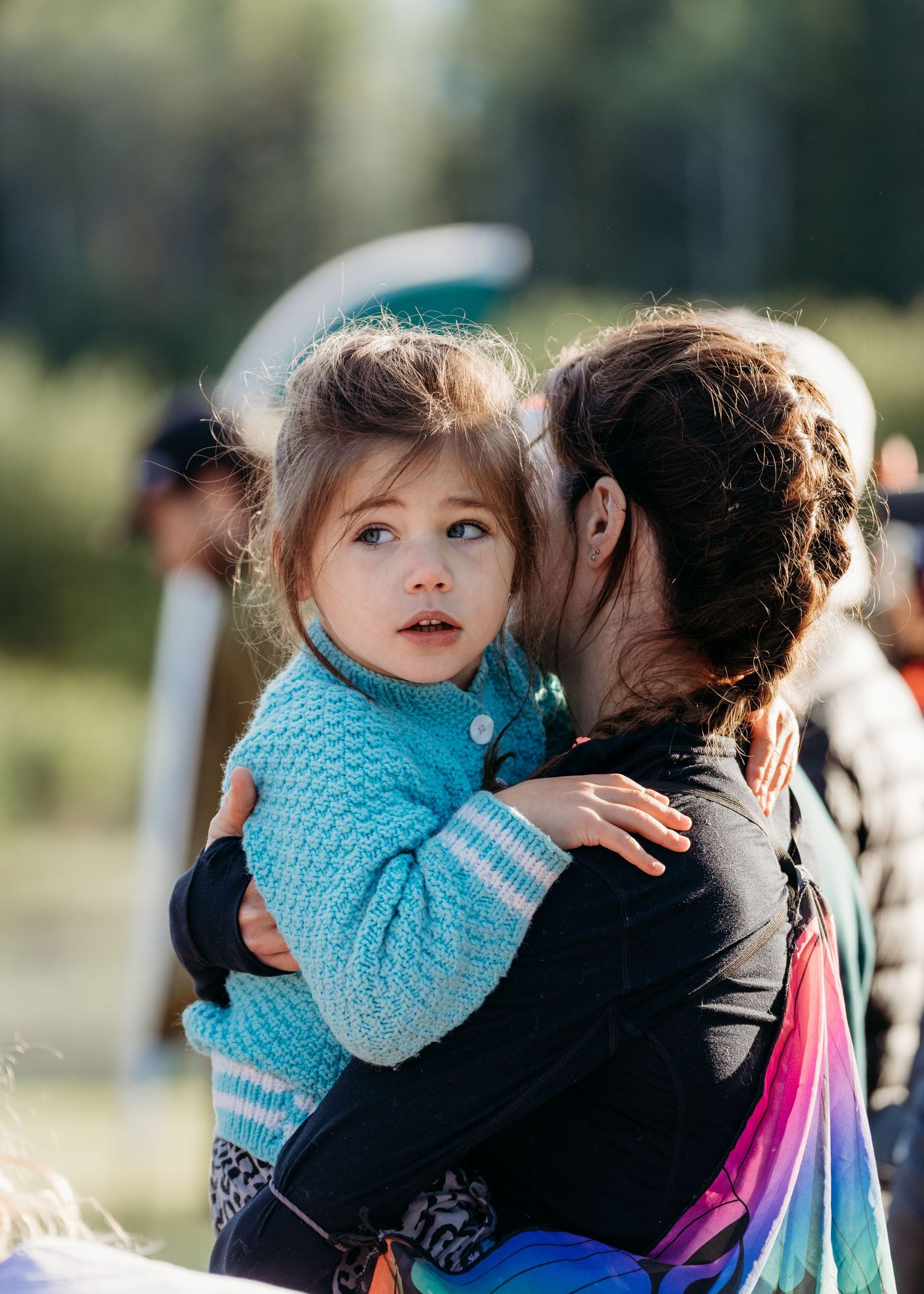
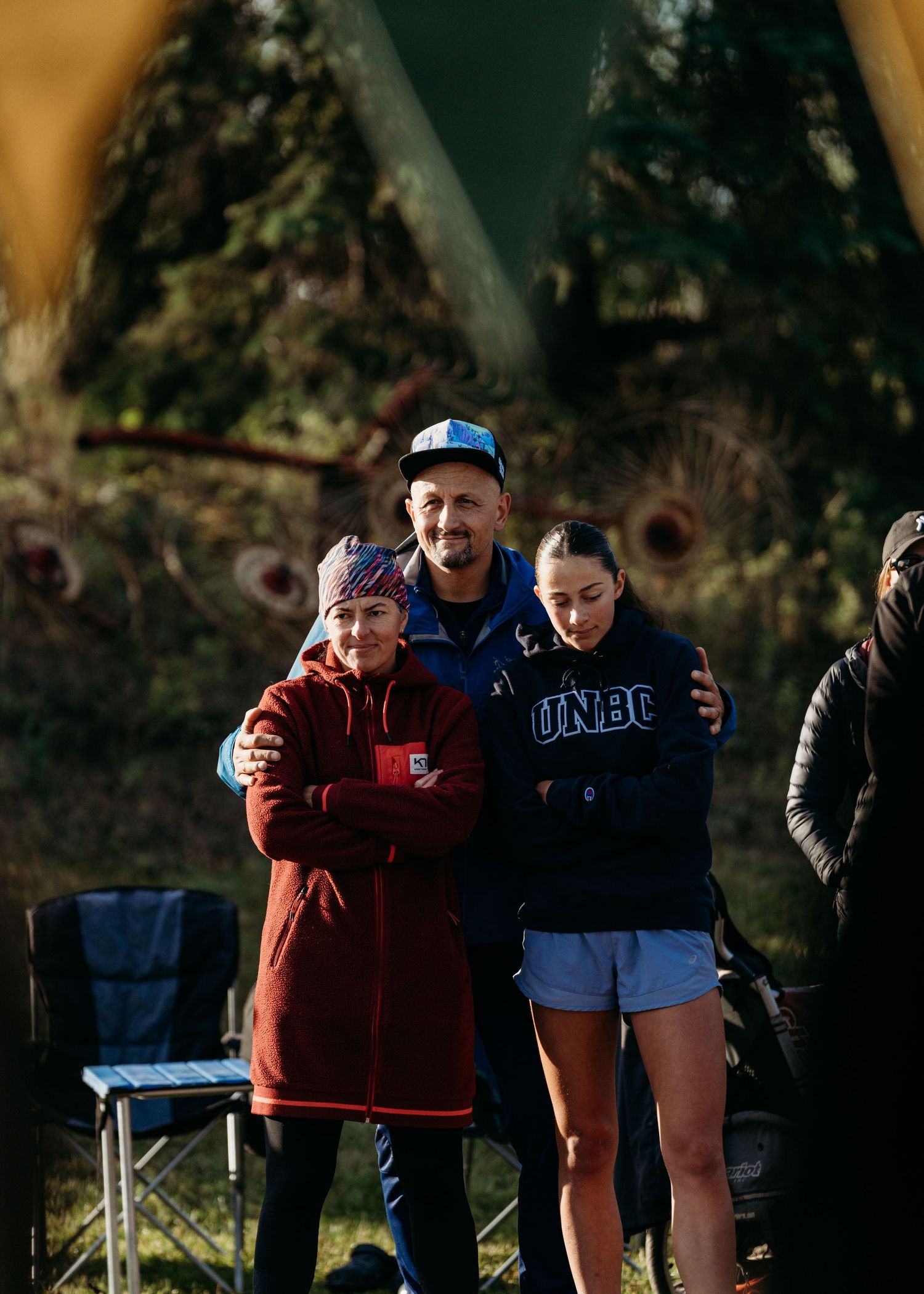
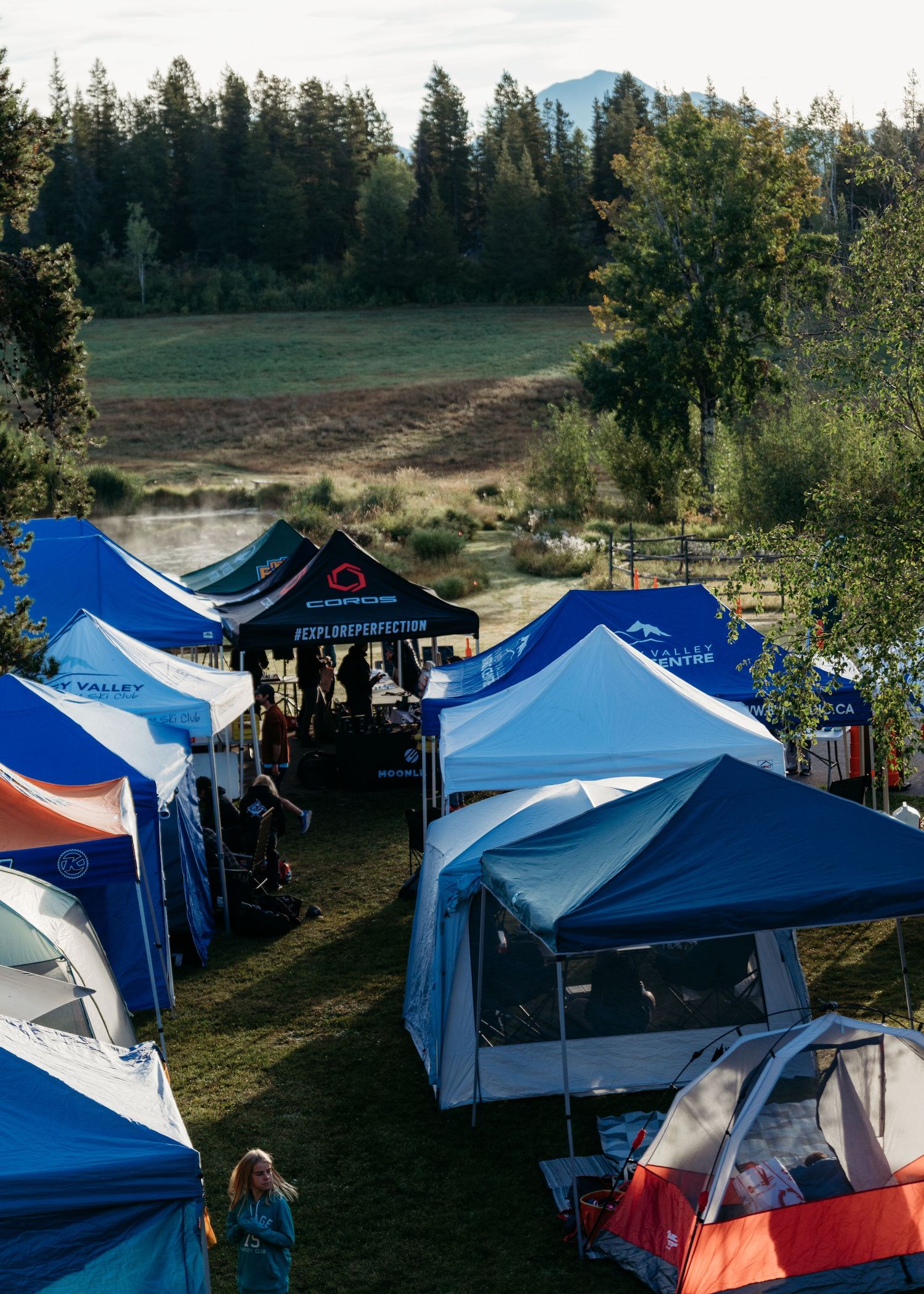
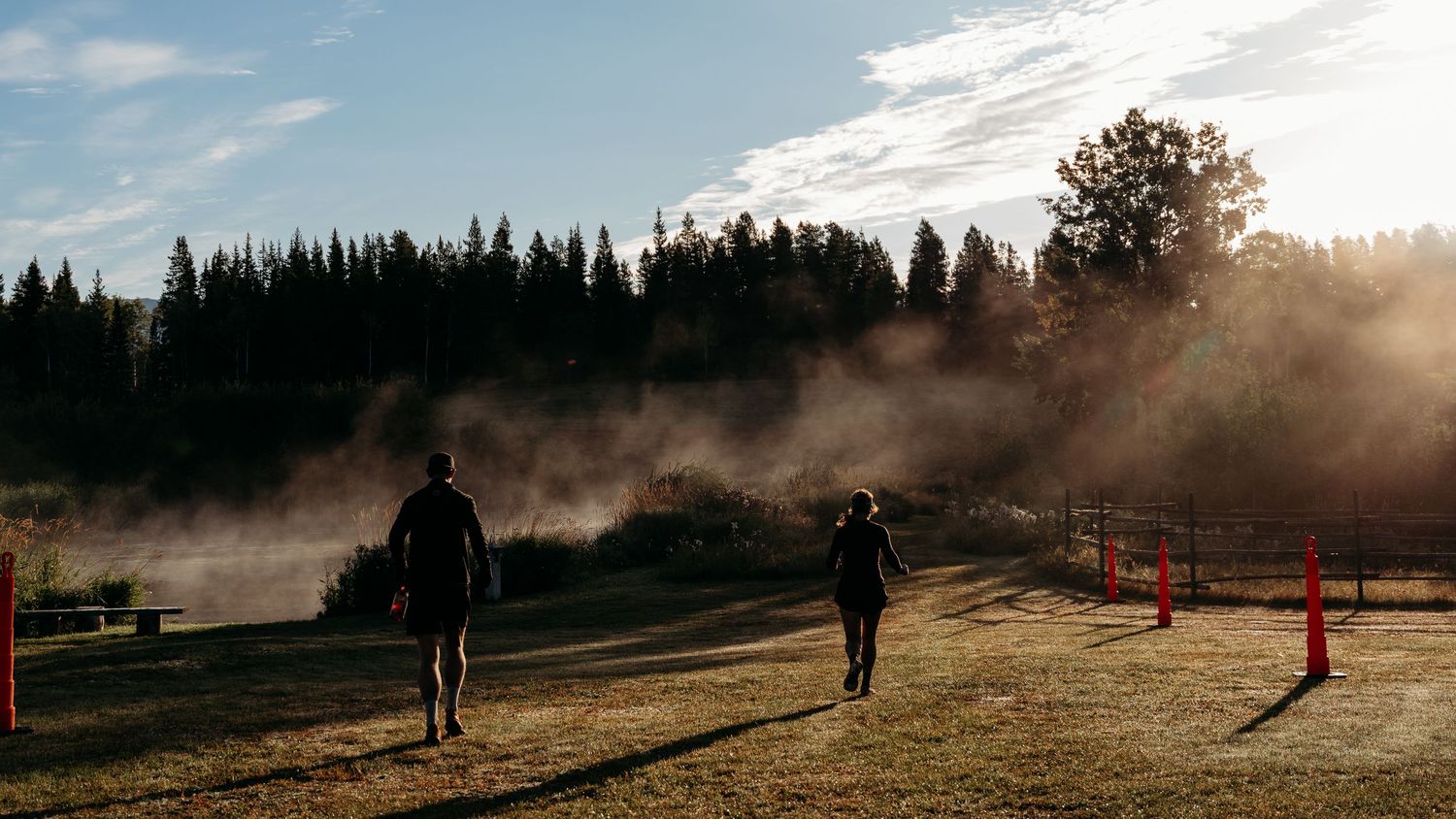
Upbeat music blasted from the speakers, and above us, the morning fog slowly lifted to reveal the epic mountain views surrounding the property.
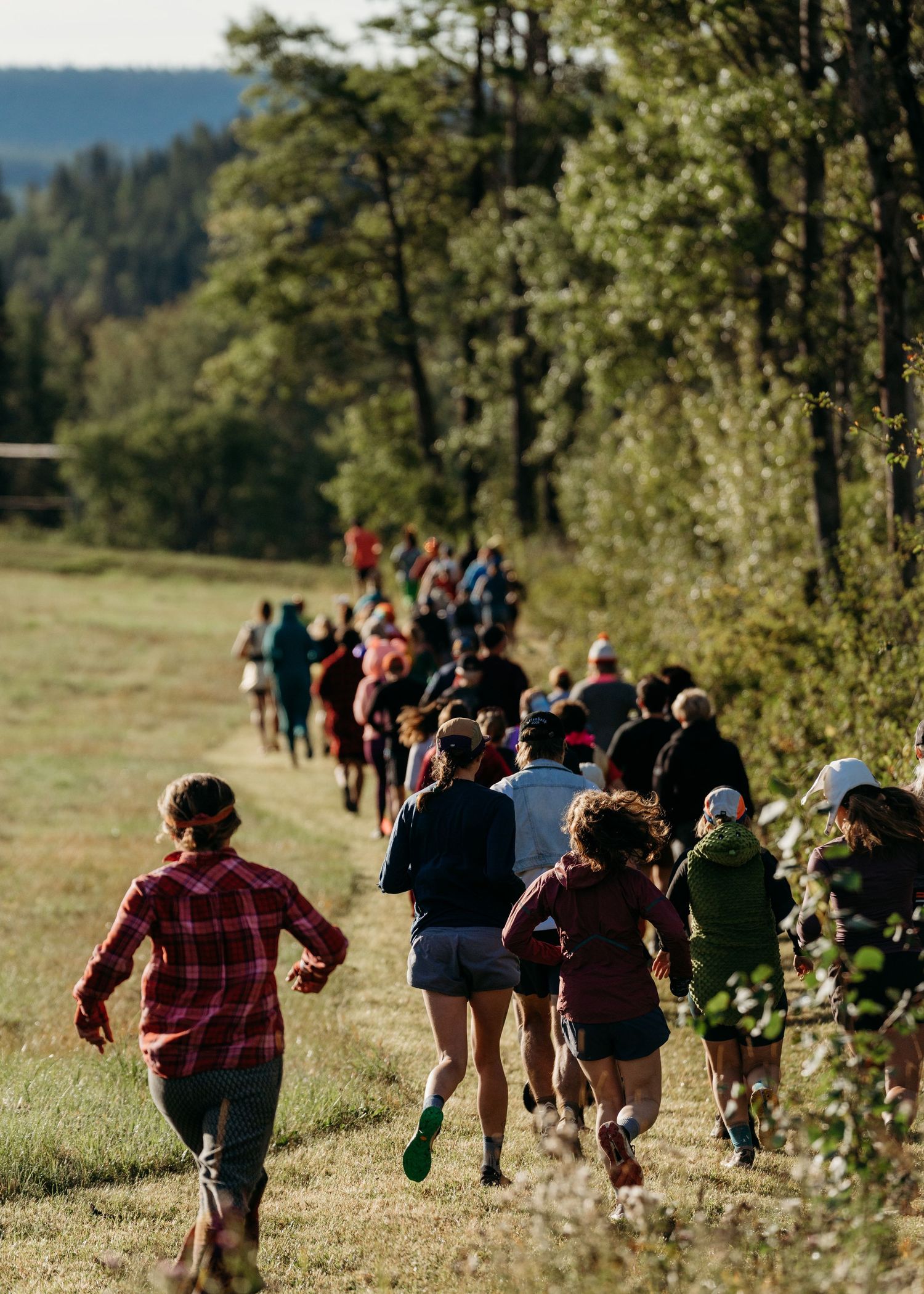
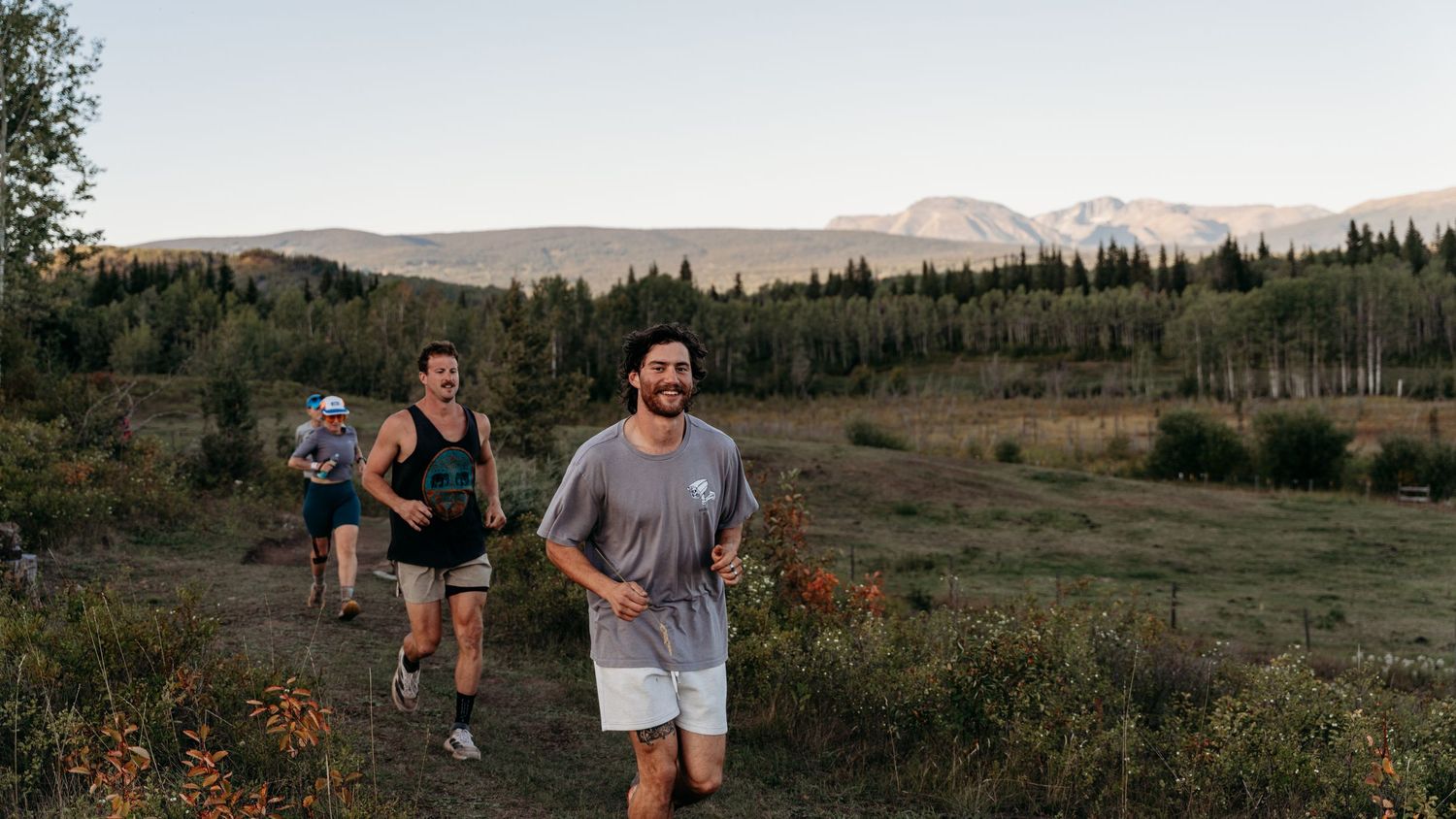
It felt a little like a trail race, a little like a backyard party and a little like summer camp for people who think running the same six-kilometre loop for more than 24 hours sounds like a good time.
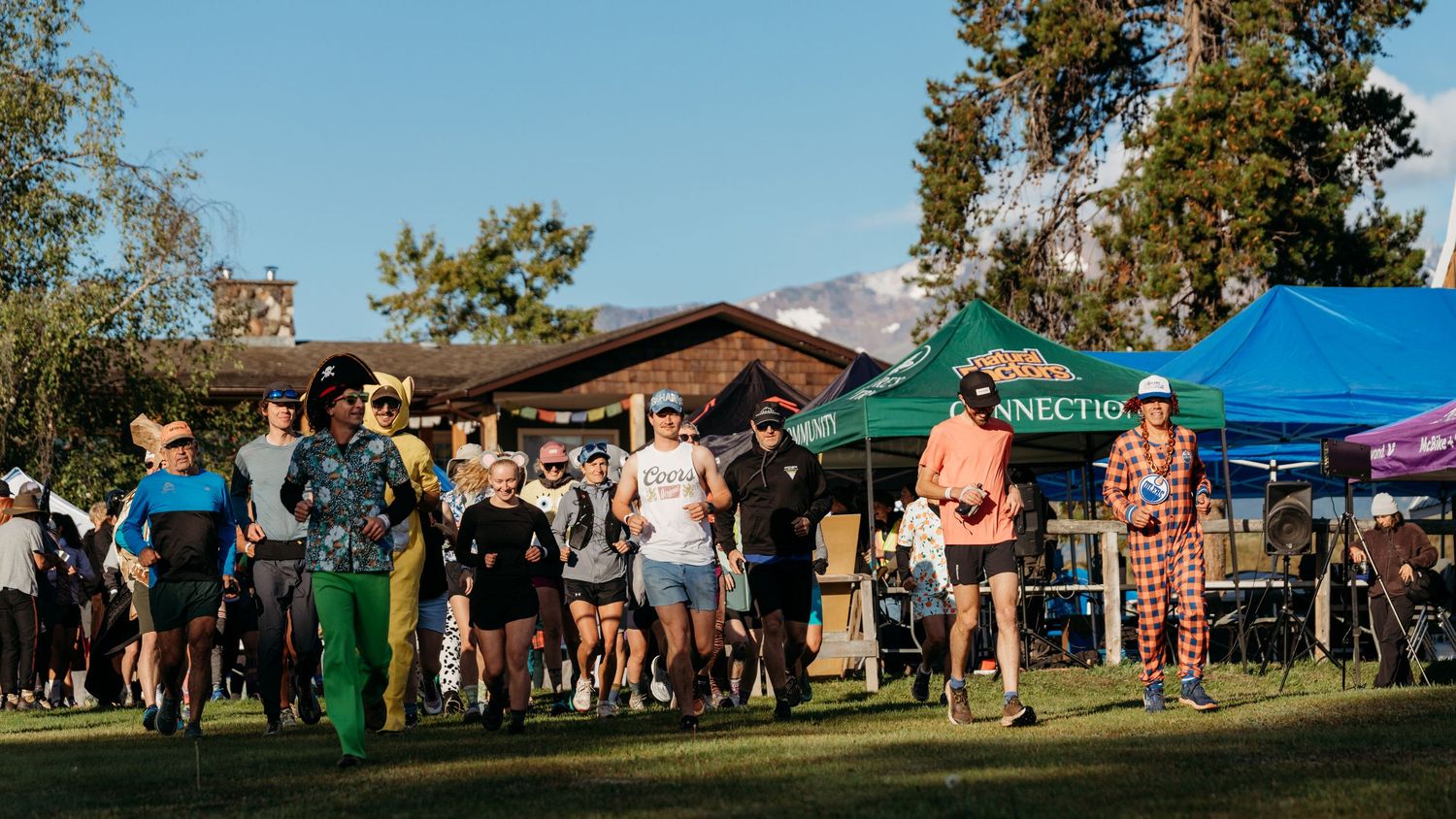
The idea for RRR began taking shape when Russell Buri, who owns the property where the event is held, race director Rory Luxemore and a handful of other Smithers runners were participating in another Backyard Ultra. The conversation sparked an idea: why not bring something like this home? Smithers already had a passionate running community, plenty of people willing to get behind an event like this, and Russell had the perfect property to make it happen. The pieces were already there. They just needed to bring them together.
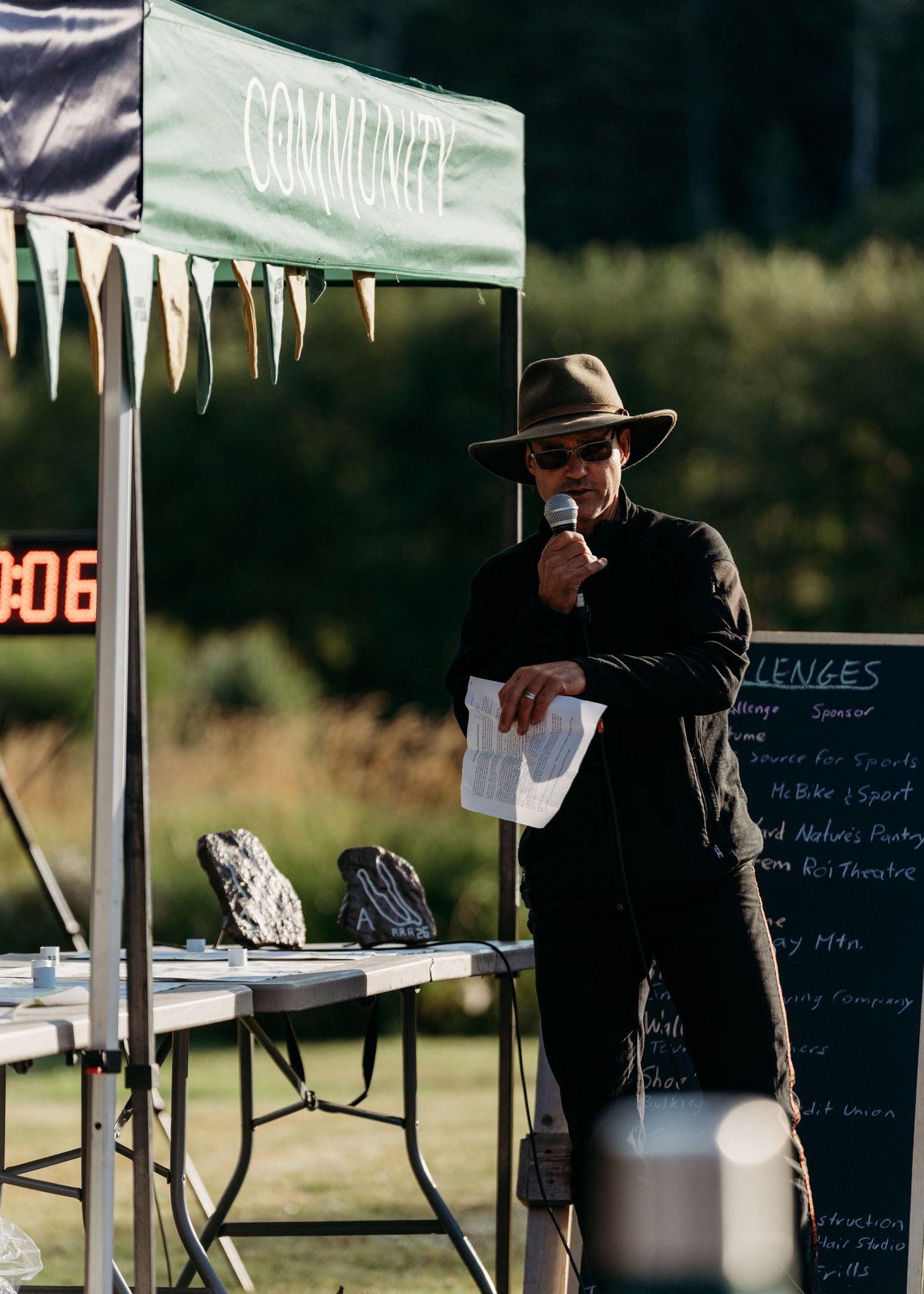
Now in its second year, RRR is powered by volunteers and support from local businesses. And when I say volunteers, I don’t mean showing up for a couple of hours and heading home.
This year’s race lasted 28 hours.
Volunteers kept time, organized the start corral and cheered runners on through the afternoon, into the night and well into the following morning. Some never even made it to bed. Local runner Claire Gillis was among them, completing her own yards before swapping her running shoes for volunteer duties and pulling an all-nighter to help keep the event running smoothly.
That willingness to show up for one another is a big part of what makes RRR work.
Every hour, everyone comes back to the same place.
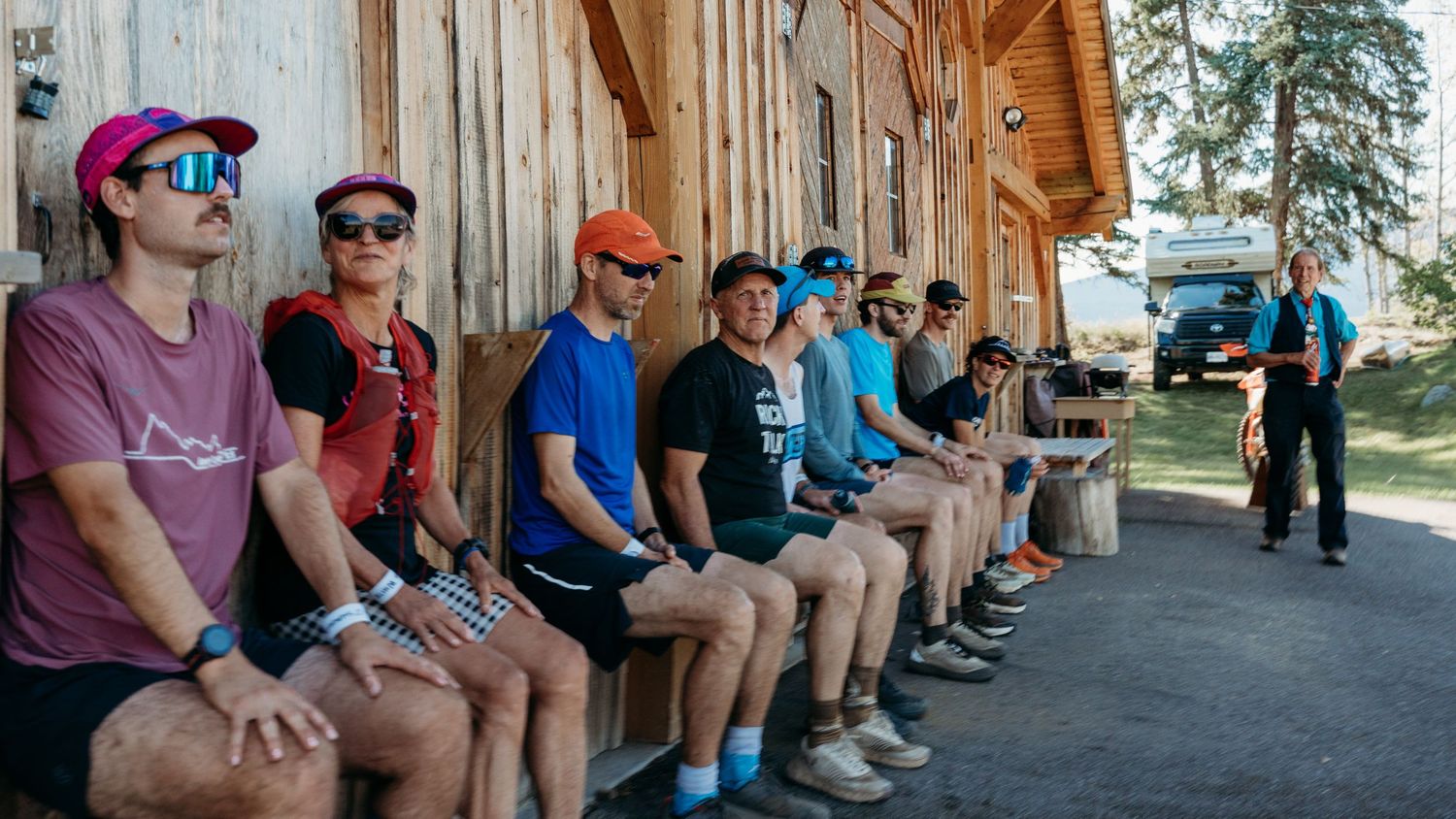
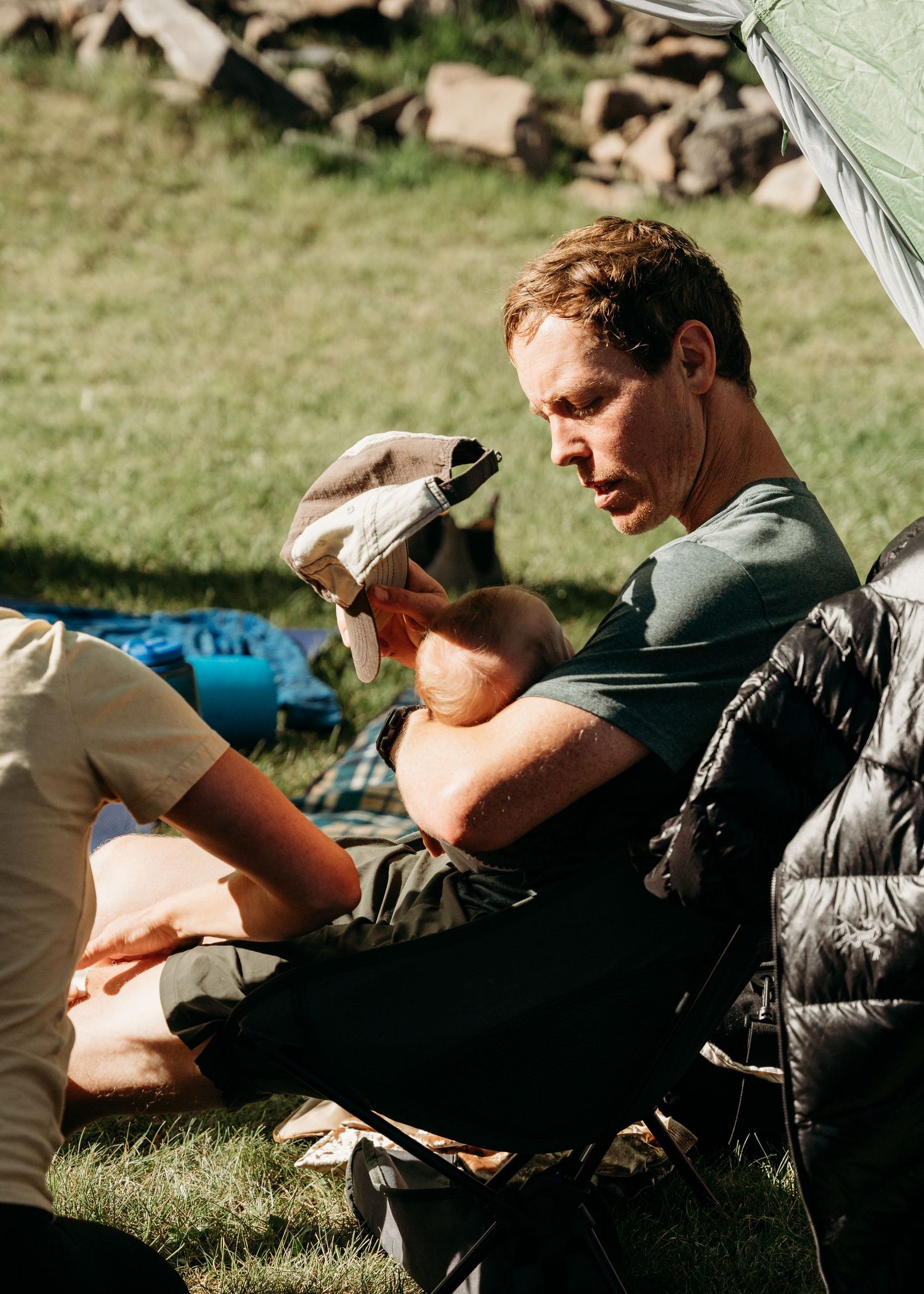
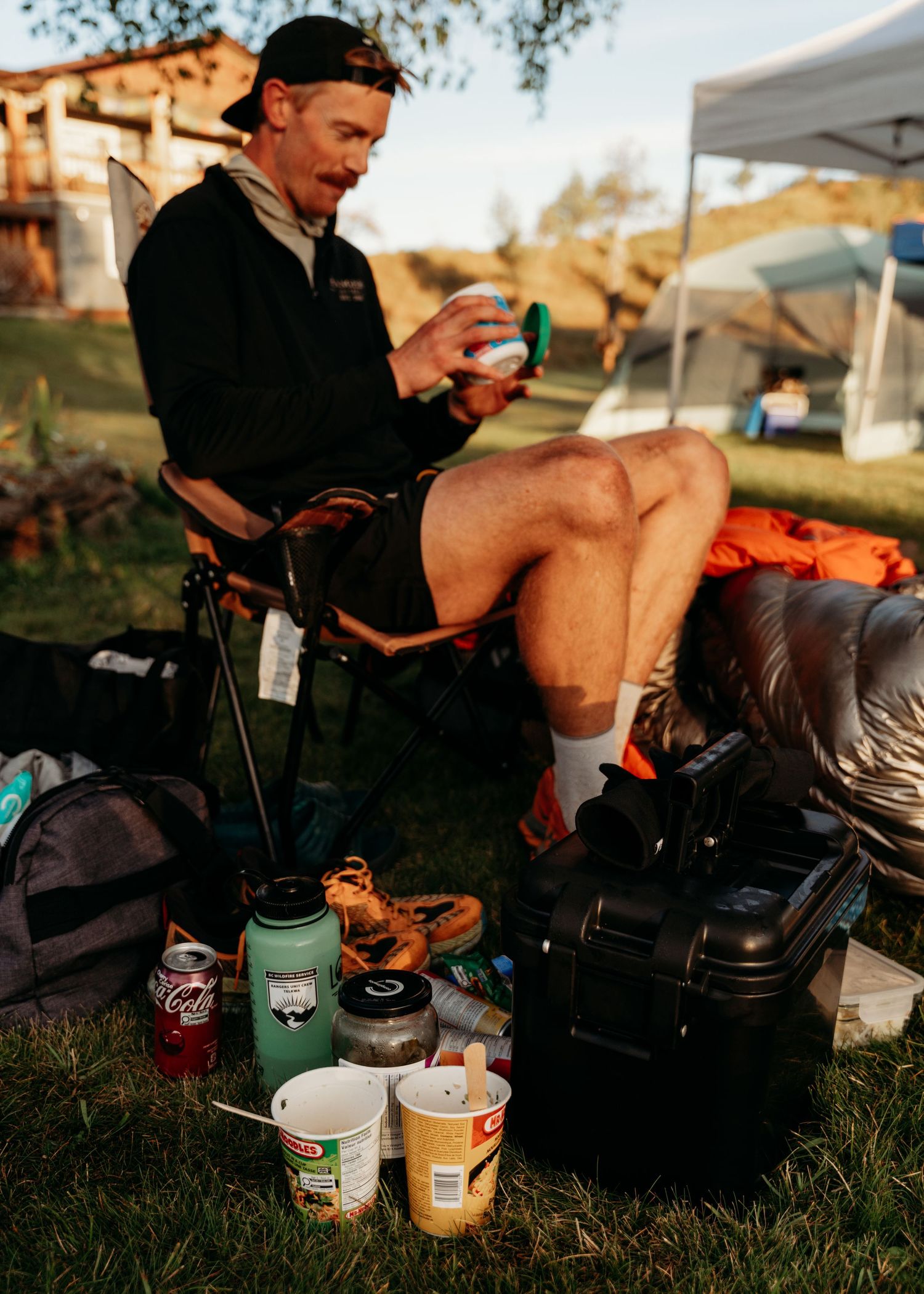
Runners disappear onto the course and eventually filter back into race headquarters. They eat. They sit with their families. Kids play nearby. Friends pull up chairs.
Then the clock creeps closer to the hour.
Conversations wrap up. Runners stand. Jackets come off. Headlamps go on.
And they choose, once again, to keep going.
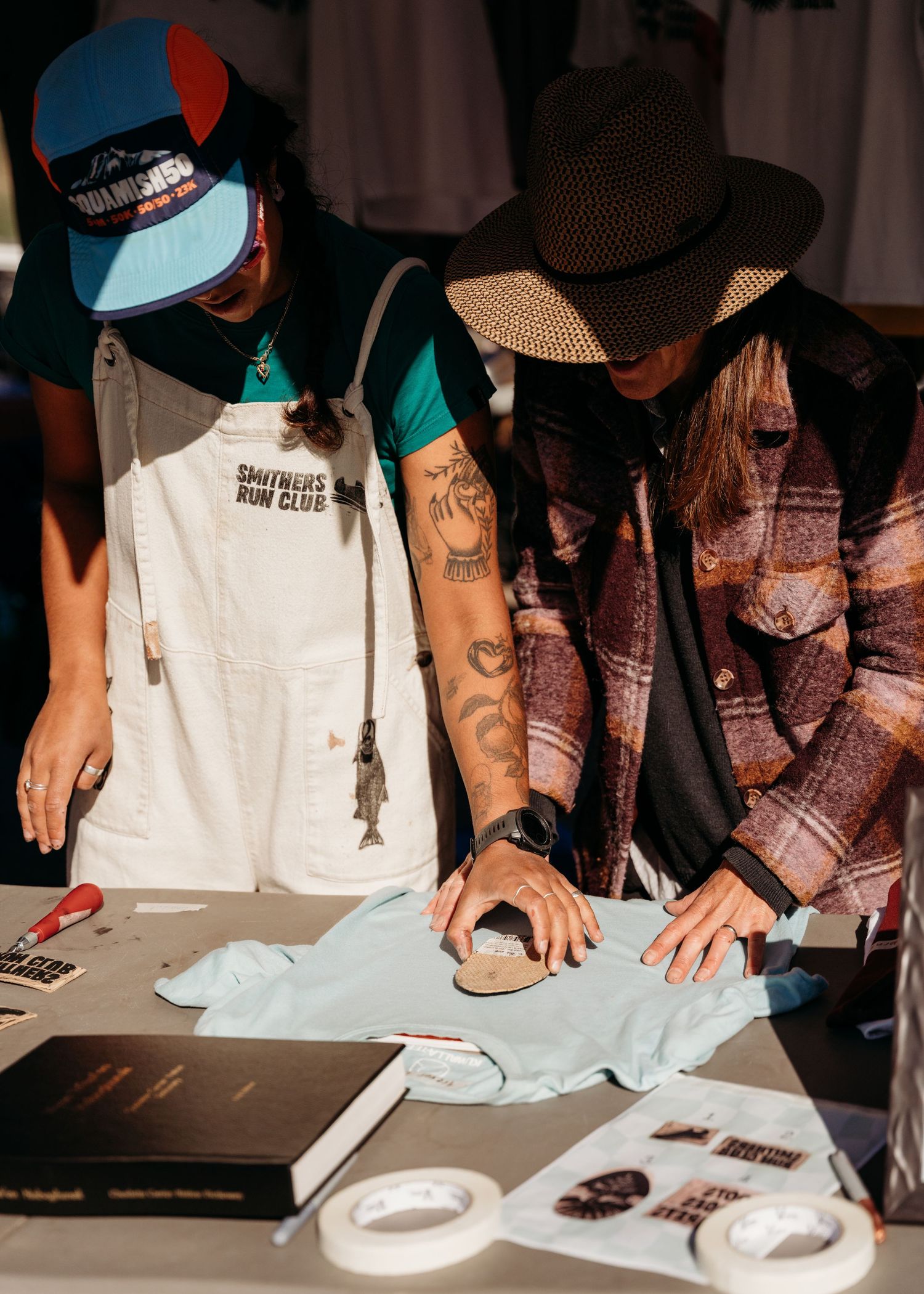
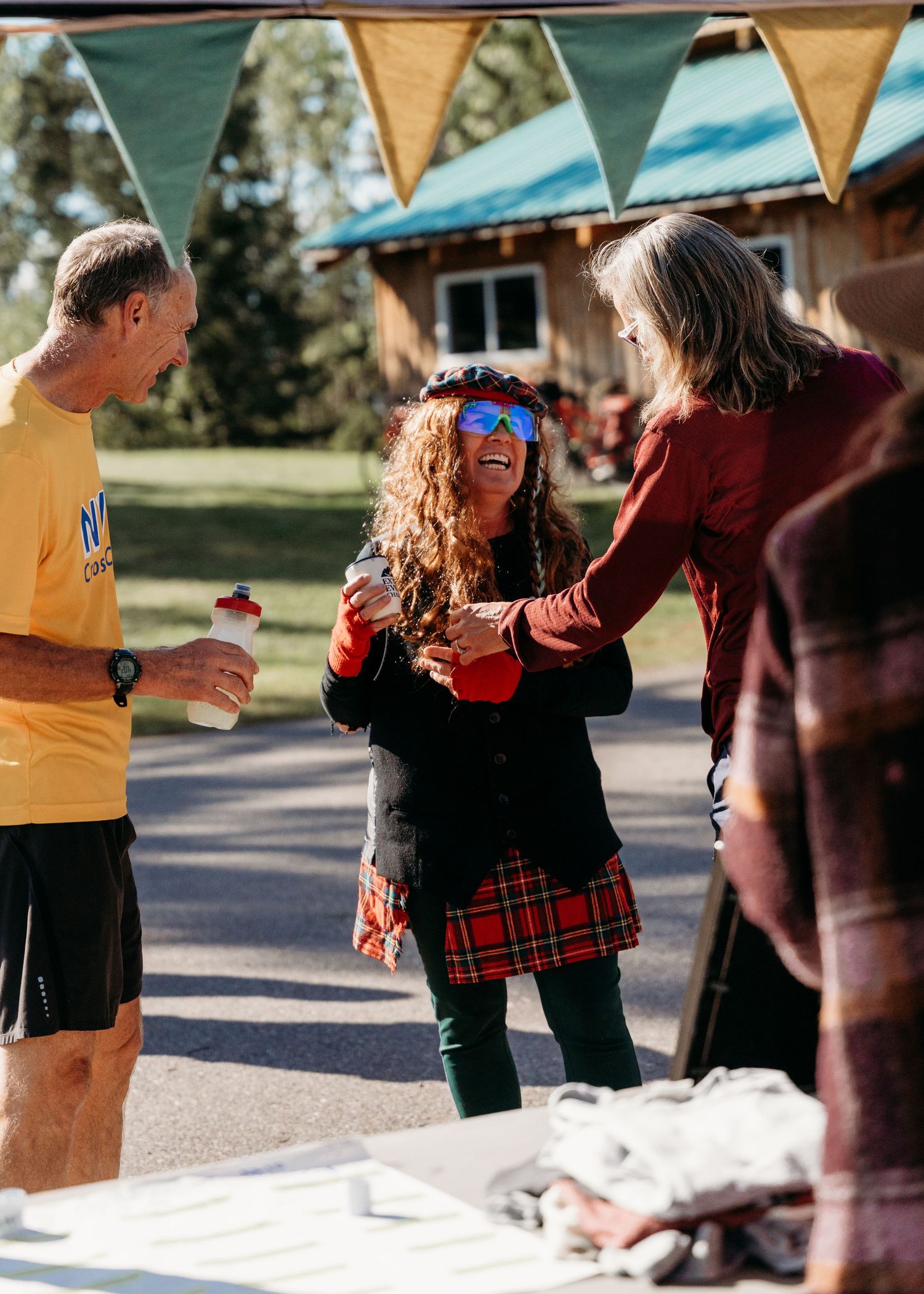
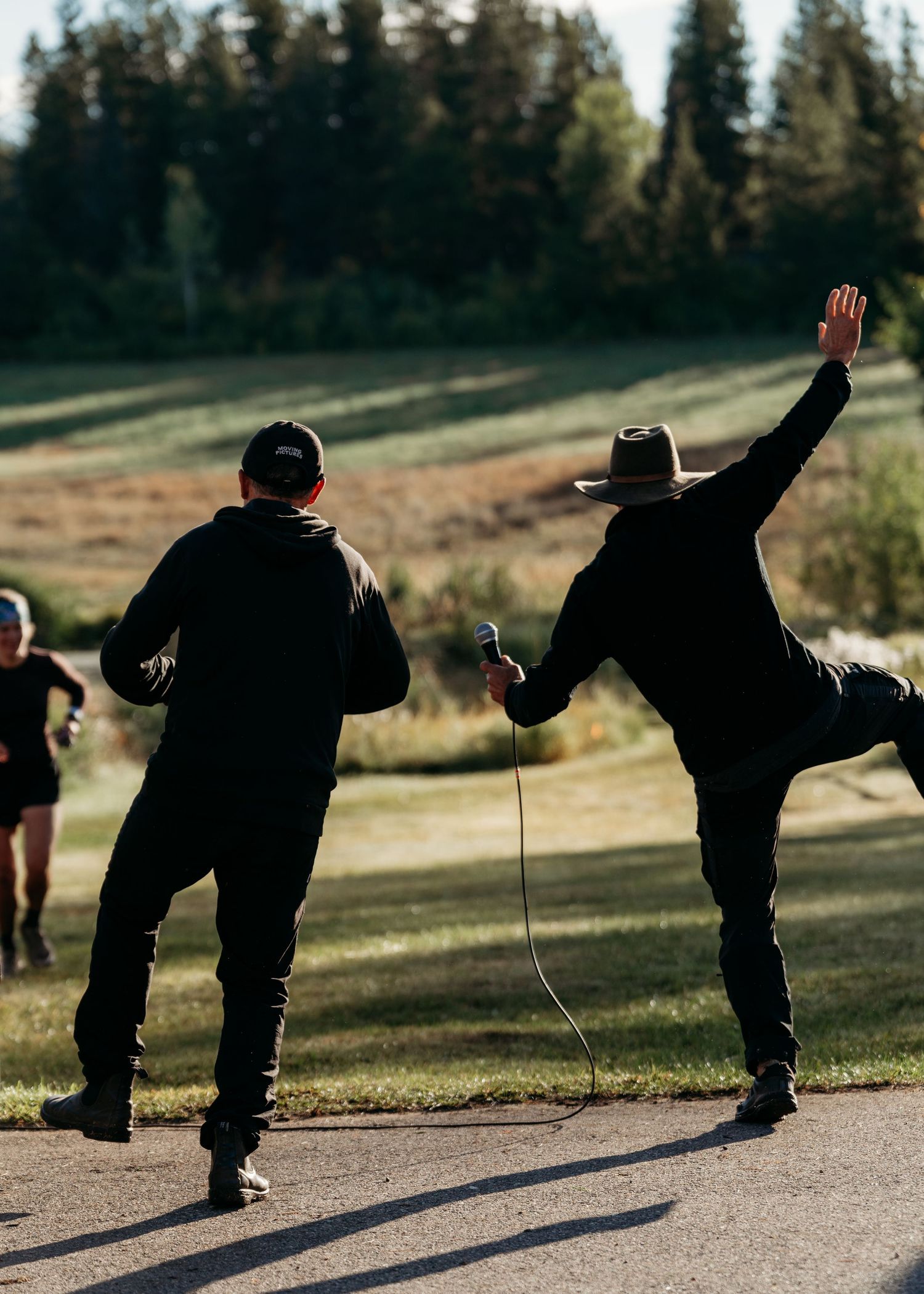
I watched that happen for 28 hours, but I was watching from the outside. So, after the race I sat down with this year’s winner-Nina Lennie to pick her brain on what it’s like on the course.
Nina’s RRR story began a year earlier, when her co-worker Brandin Ligert, the inaugural race’s eventual winner, convinced her to sign up just days before the event. At the time, Nina had only recently found her way back to running after a few years away, drawn to it simply because of how good it made her feel. With little expectation of what lay ahead, she showed up, ran 18 yards, and walked away with an impressive third-place finish.
But she left disappointed.
“I felt really disappointed in myself last year,” she told me. “I think I stopped knowing that I could do more.”
So when she returned to run RRR this year, she had a very different set of rules for herself.
“I went into it with really clear goals: get timed out, get really injured to the point of not being able to continue, or win.”
Preferably, she joked, not the injury option.
What she wasn’t going to do was choose to stop.
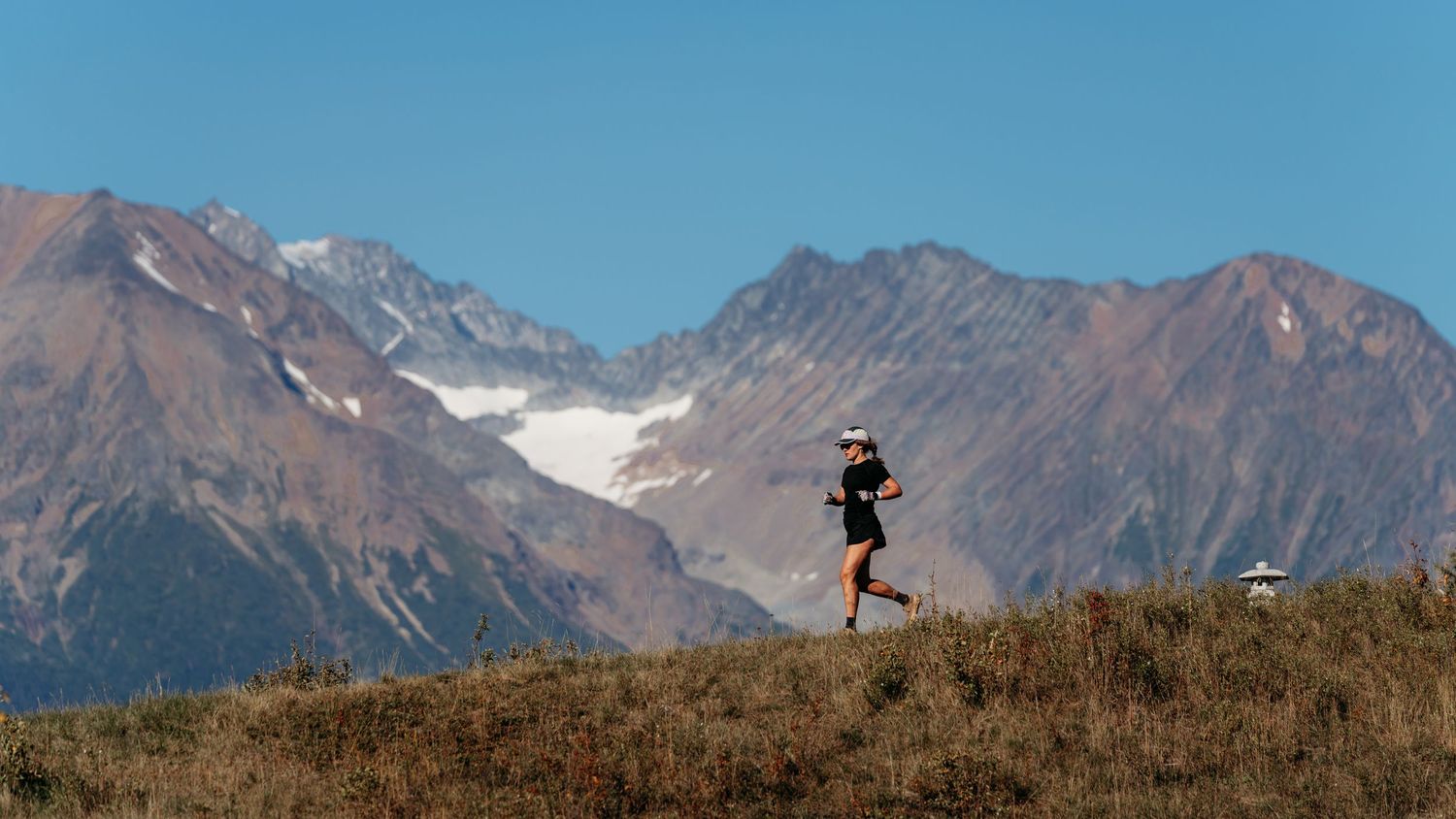
And that, Nina explained, is what makes a Backyard Ultra so different from a traditional race.
“It’s not about speed,” she said. “It’s about just choosing to keep going. You’re making an active choice every single lap to keep showing up.”
For the next 28 hours, that is exactly what she did.
For much of the first day, Nina ran alongside her friend Caroline. Together they covered the first 108 kilometres, settling into the strange rhythm of a Backyard Ultra. Run. Come back. Eat. Sit. Talk. Get up. Repeat.
Early in the day, there is plenty to watch.
From where I was standing, one of my favourite parts of RRR was seeing just how differently everyone approached the exact same challenge.
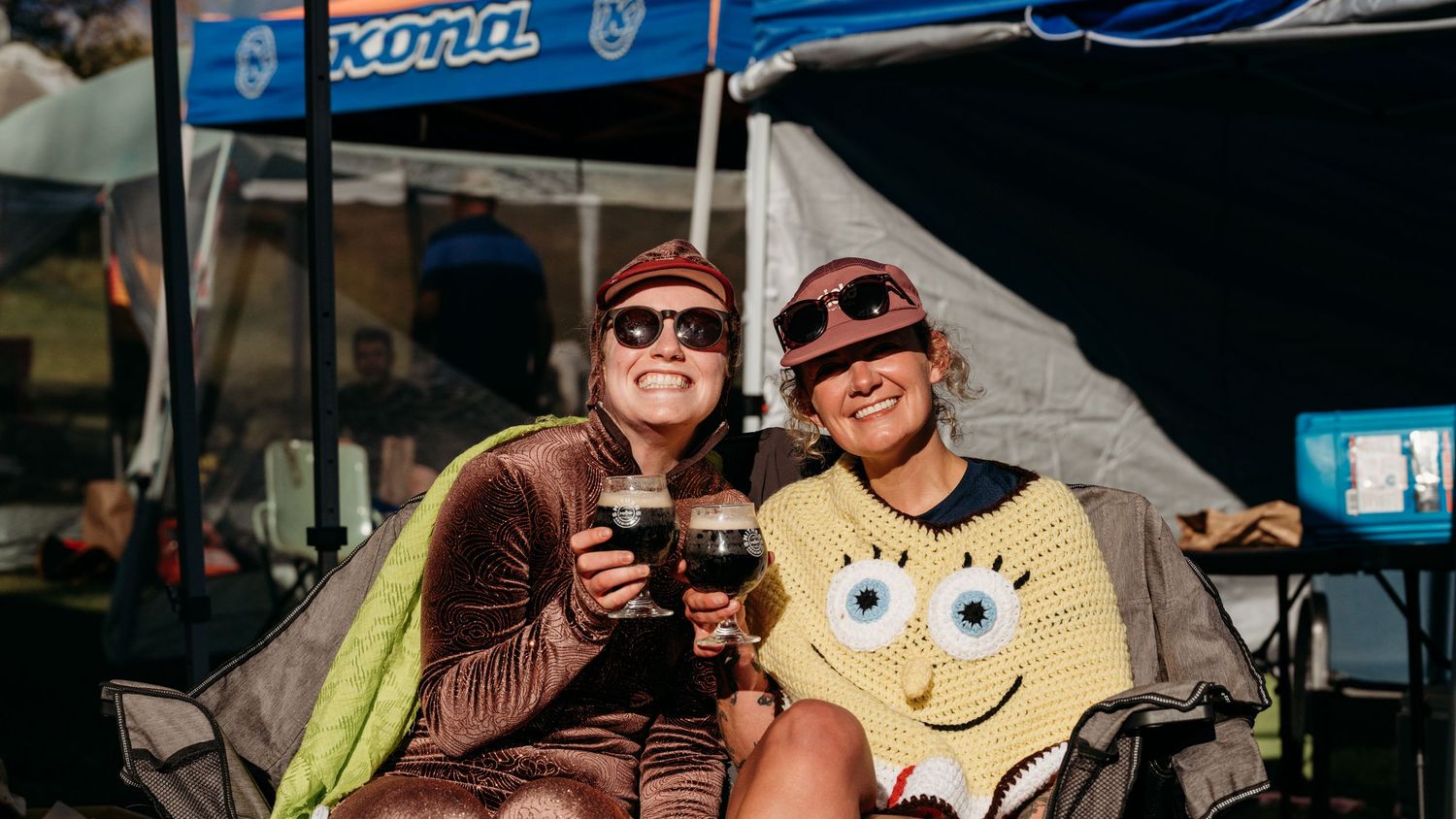
Some runners meticulously tracked their lap times and nutrition. Others changed shoes and clothes. Some drank Gonsters (a mix of Monster energy Drinks and Guiness Beer). Some stretched. Some spent time with family. Some immediately collapsed into camp chairs.
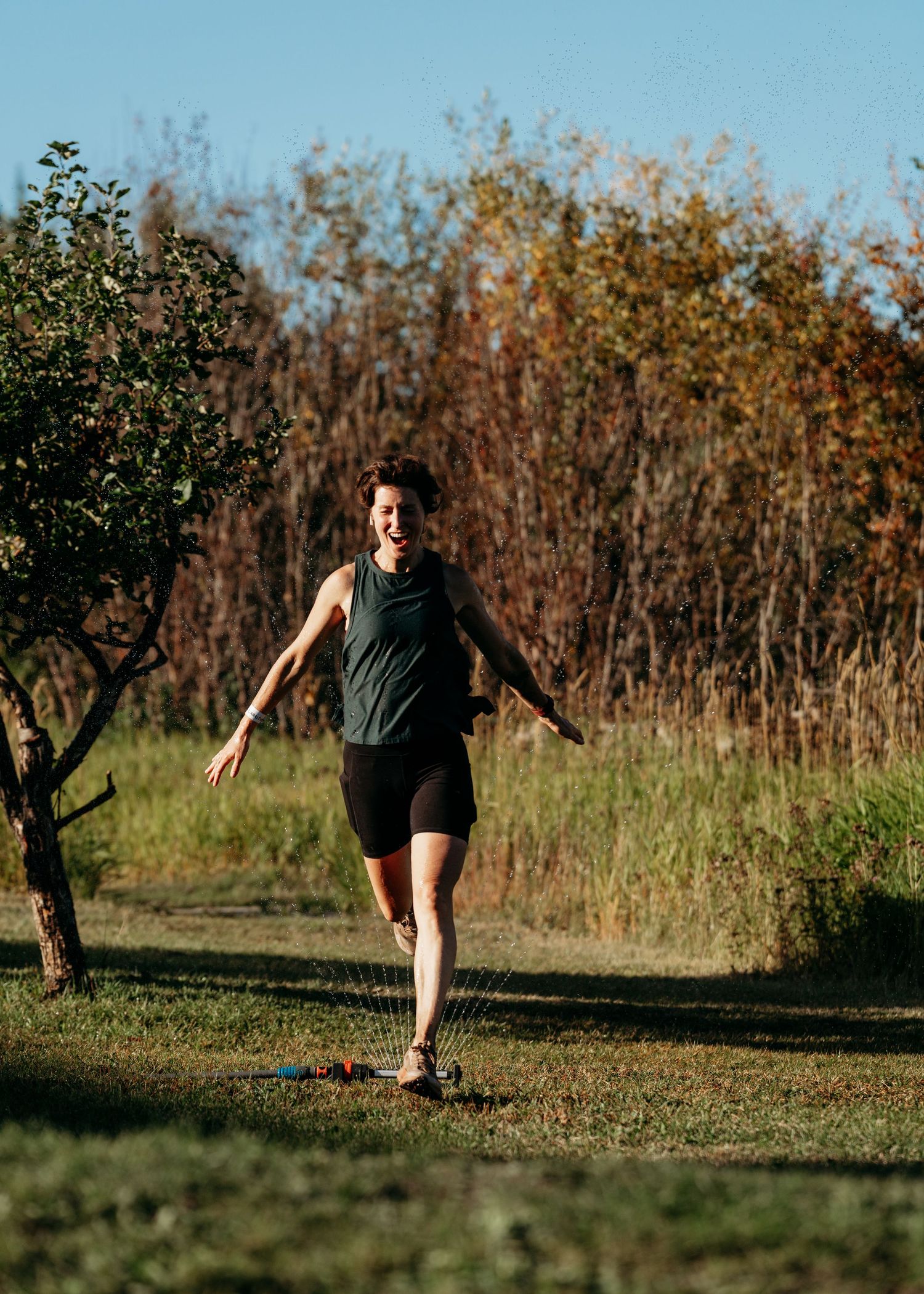
Nina kept her strategy pretty simple. After a summer of racing, she was sick of gels and traditional running food and decided she wanted to see how far she could get on ordinary grocery-store food.
The answer, apparently, is more than 160 kilometres.
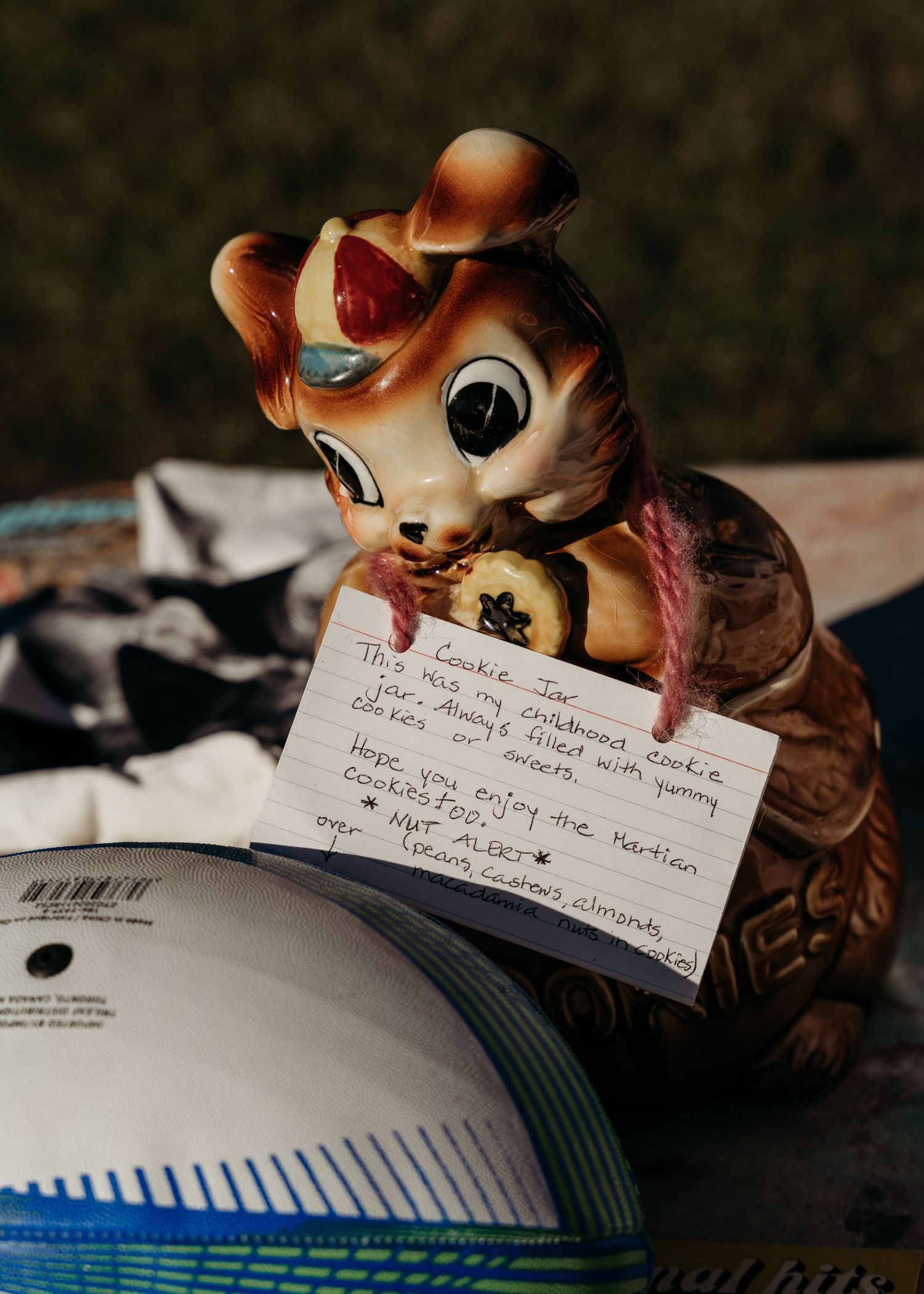
“I probably drank a couple litres of Coca-Cola,” she laughed. “And probably, like, 100 cookies, there was also a burger somewhere in the middle of it all.”
Her running strategy wasn’t much more complicated. She found a pace that felt sustainable and stayed remarkably consistent, completing most of her yards in roughly 40 to 46 minutes.
“Getting to the start line is always the hardest part,” Nina said. “Almost everyone quits between yards. Not that many people quit in the middle of a yard.”
As daylight disappeared, so did runners from the start corral. Headlamps replaced sunglasses. Extra layers came out. Families and volunteers wrapped themselves in blankets. Once an hour, lights appeared through the trees as runners returned, only to disappear again when the next yard began. And while the number of runners shrank, the people around them kept showing up. Volunteers kept the music playing and the cheering loud.
Before the race, Nina’s friend Danielle told her she planned to bring her five-year-old daughter out the following morning and told Nina “I’m going to bring my daughter to show her what a woman can do,” it struck a chord. There was more at stake than just another lap. As Nina put it, she knew she “couldn’t let the five-year-old down.”
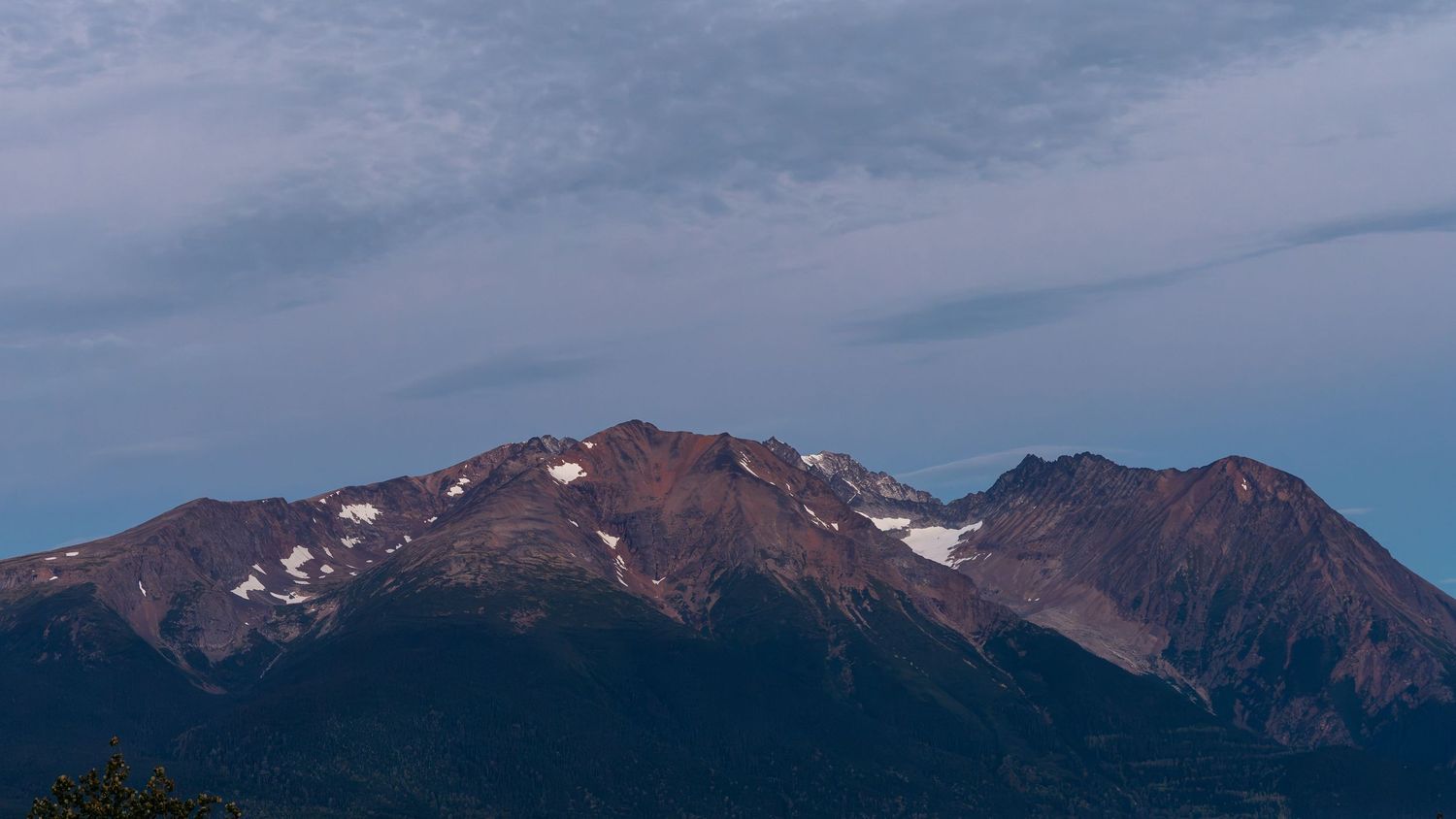
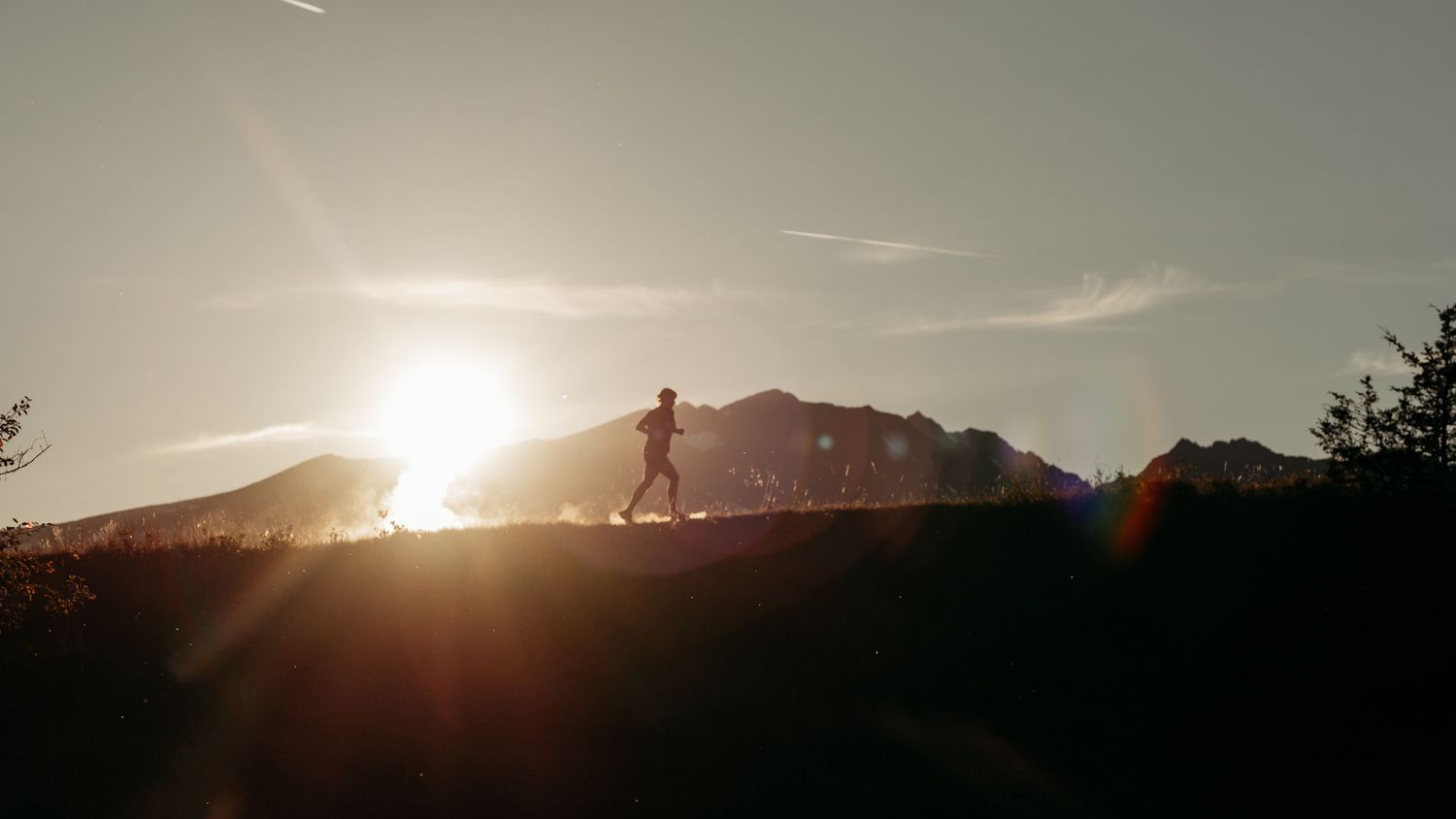
Eventually, morning arrived. The mountains reappeared and the sky turned pink. Nina switched off her headlamp.
“It feels so good,” she said. “It’s like you get a full new day.”
By then, the crowded starting corral from the previous morning had dwindled to two.
Nina Lennie and Ian Harris.
For the last seven yards, which is seven hours, it was just them. Every hour, they stood together at the start. They ran. They returned to separate spaces only feet apart. They rested. Then they stood up and did it again.
There wasn’t much talking, from the outside, it appeared like they were at war with one another.
But watching them, I realized the real battle wasn’t necessarily against the person sitting a few feet away. It was against themselves.
That’s the strange thing about a Backyard Ultra. Technically, you are racing everyone else, but hour after hour, the person you really must beat is yourself. The voice saying you’ve gone far enough, the fatigue telling you to stay in the chair.
For seven hours, Nina and Ian kept giving each other a reason to answer the bell one more time.
“I definitely wanted to quit,” Nina said. “But the whole time, I wanted to win more.”
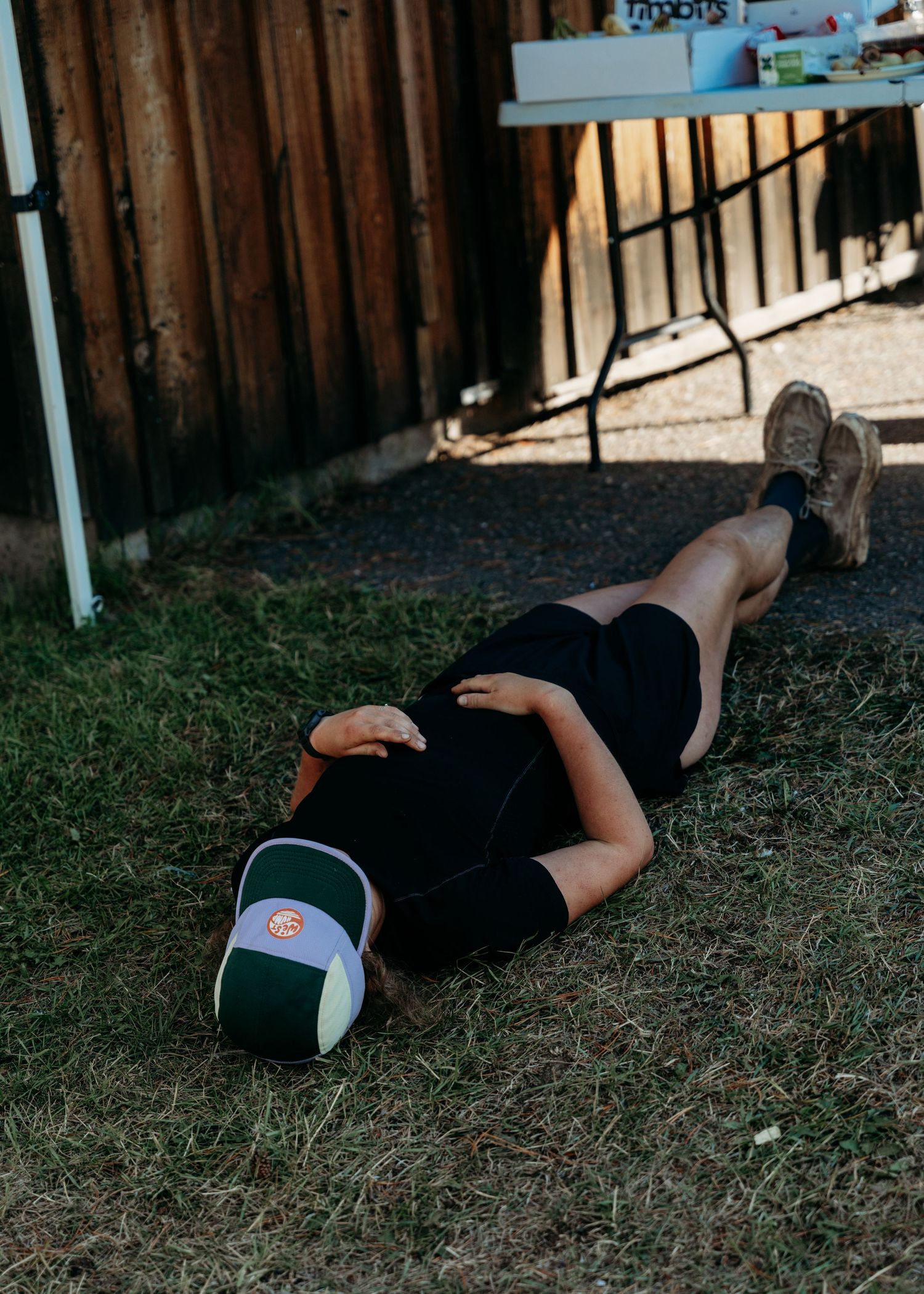
Eventually, Ian reached his limit.
Nina still had one more yard to complete.
She headed out for her last yard unaware that her opponent had turned back.
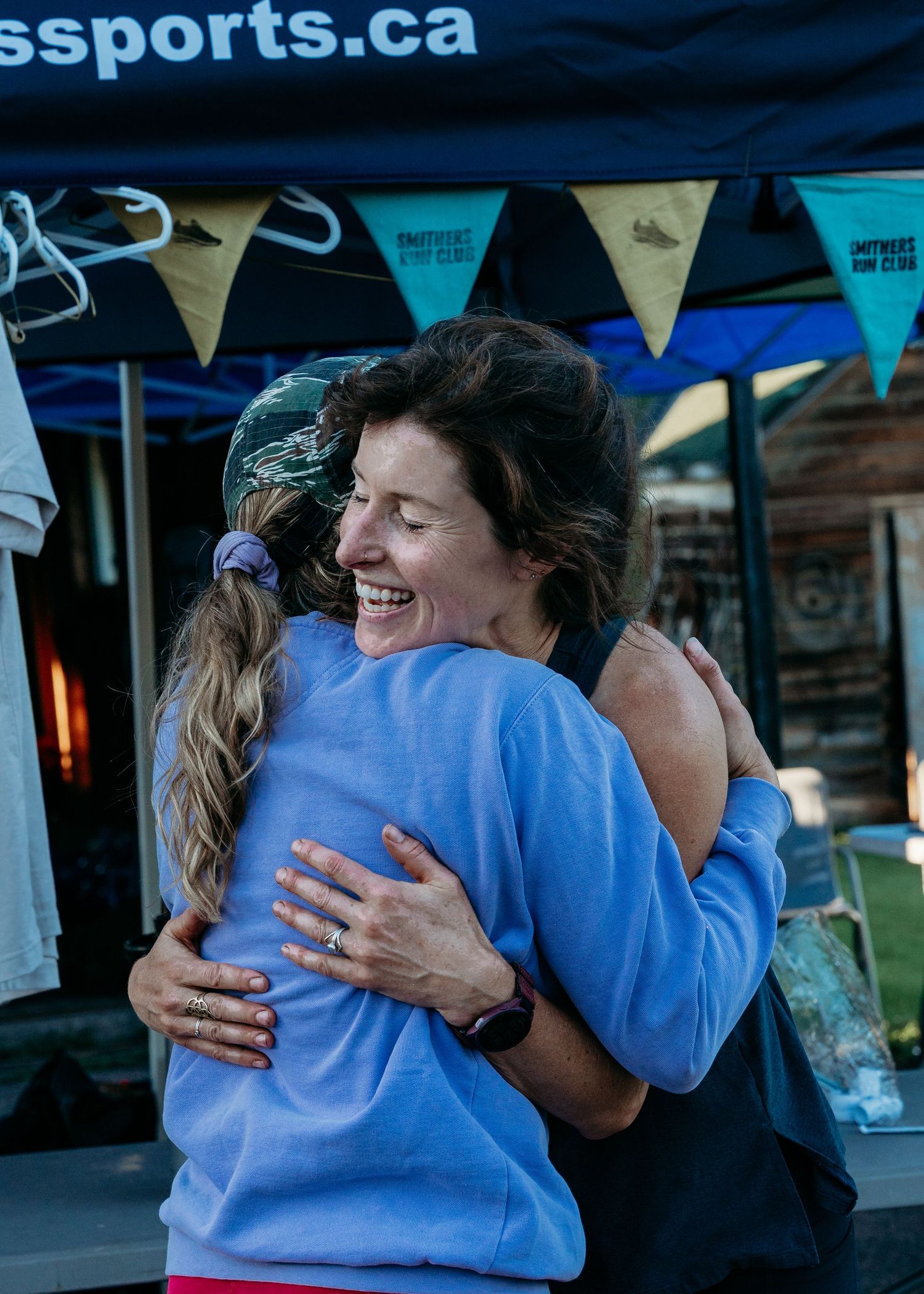
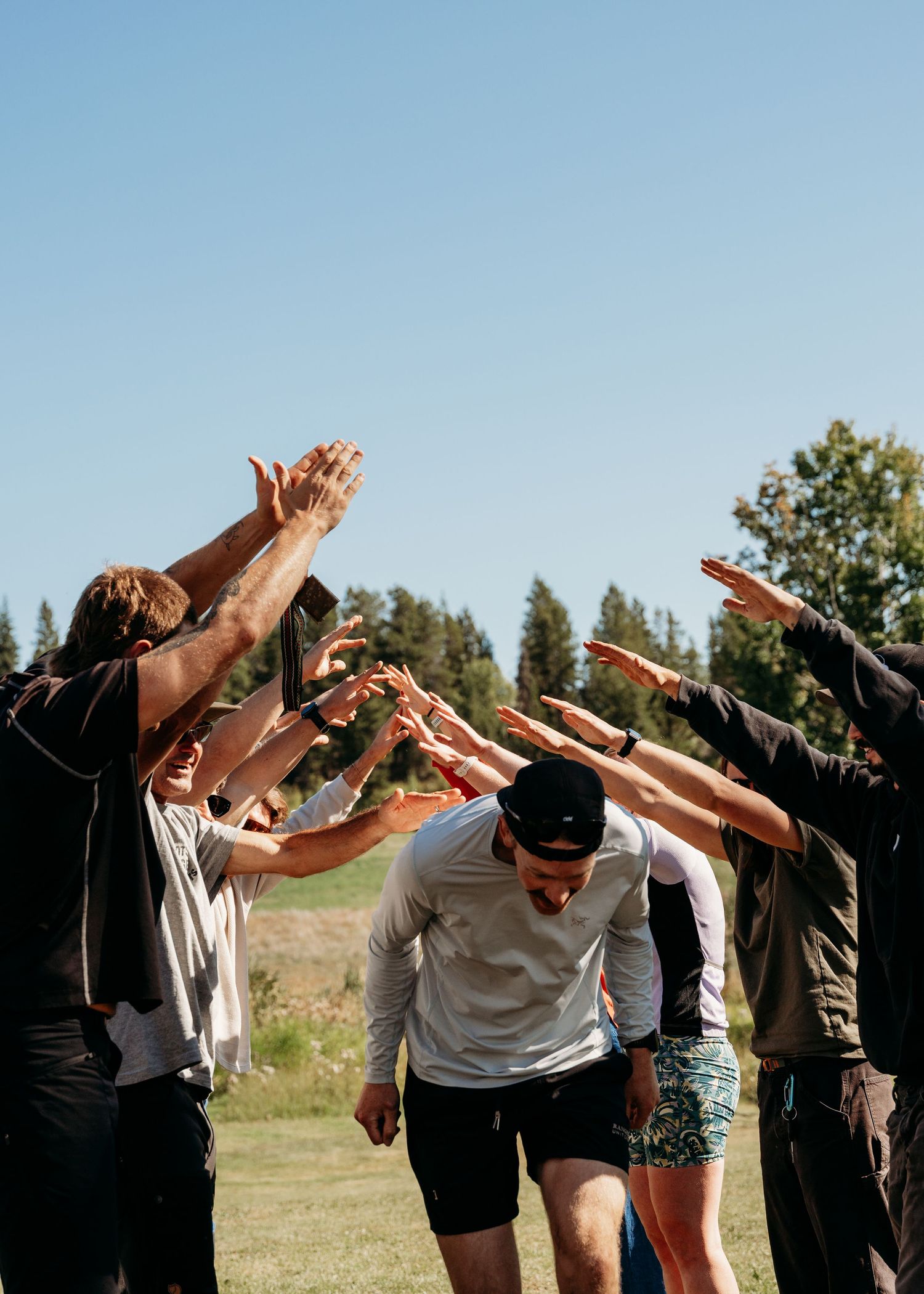
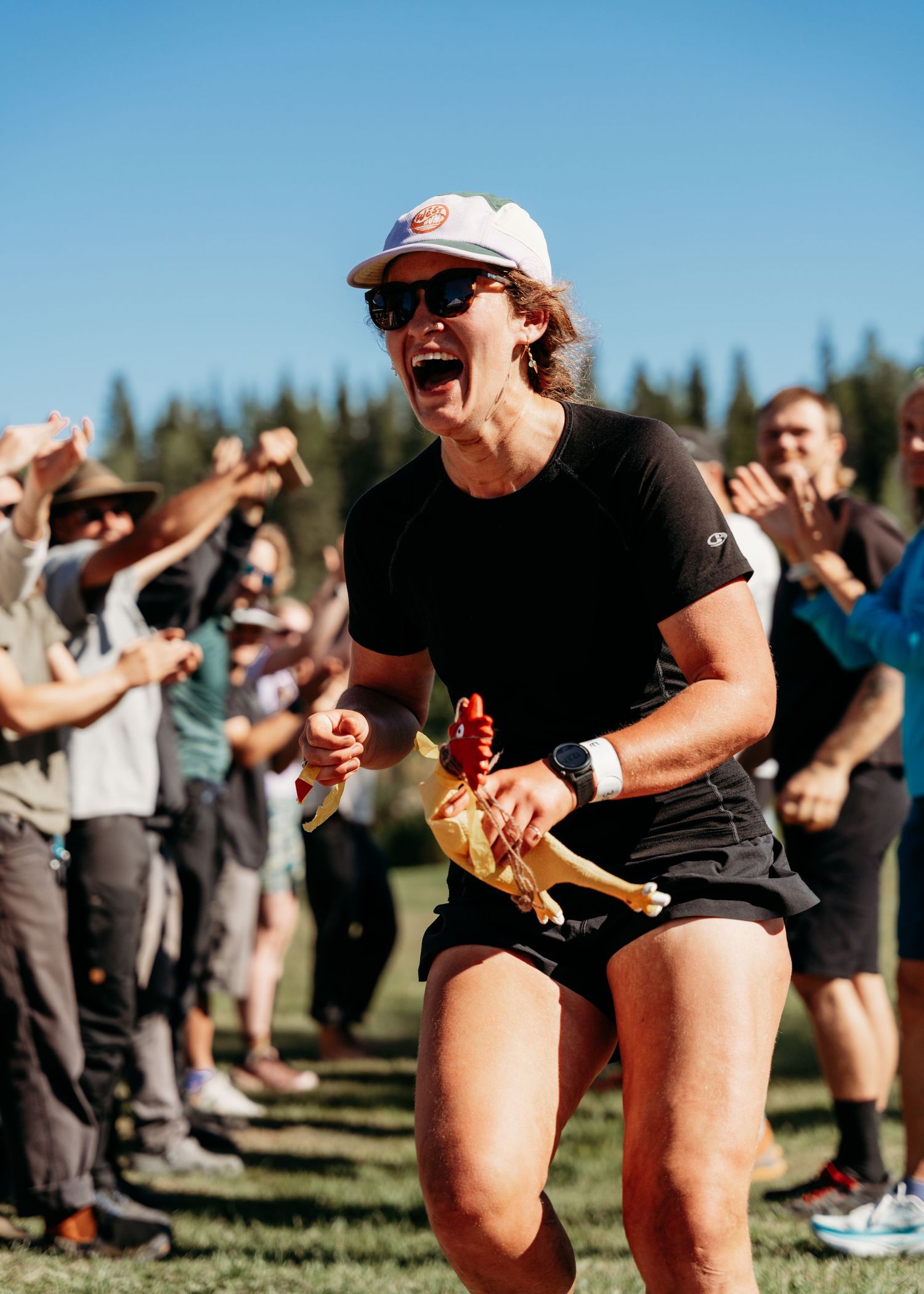
When she returned from her 28th yard, people were waiting to celebrate with her.
Friends. Family. Volunteers. Runners who had completed their own final yards hours earlier. People who had slept and returned, and people who hadn’t slept at all.
“When everyone came at the finish, it felt so magical,” Nina said.
For me, that moment captured RRR better than the distance Nina had just run-which was very impressive considering she covered more than 160 kilometers,
That weekend, other people had discovered their own version of what was possible.
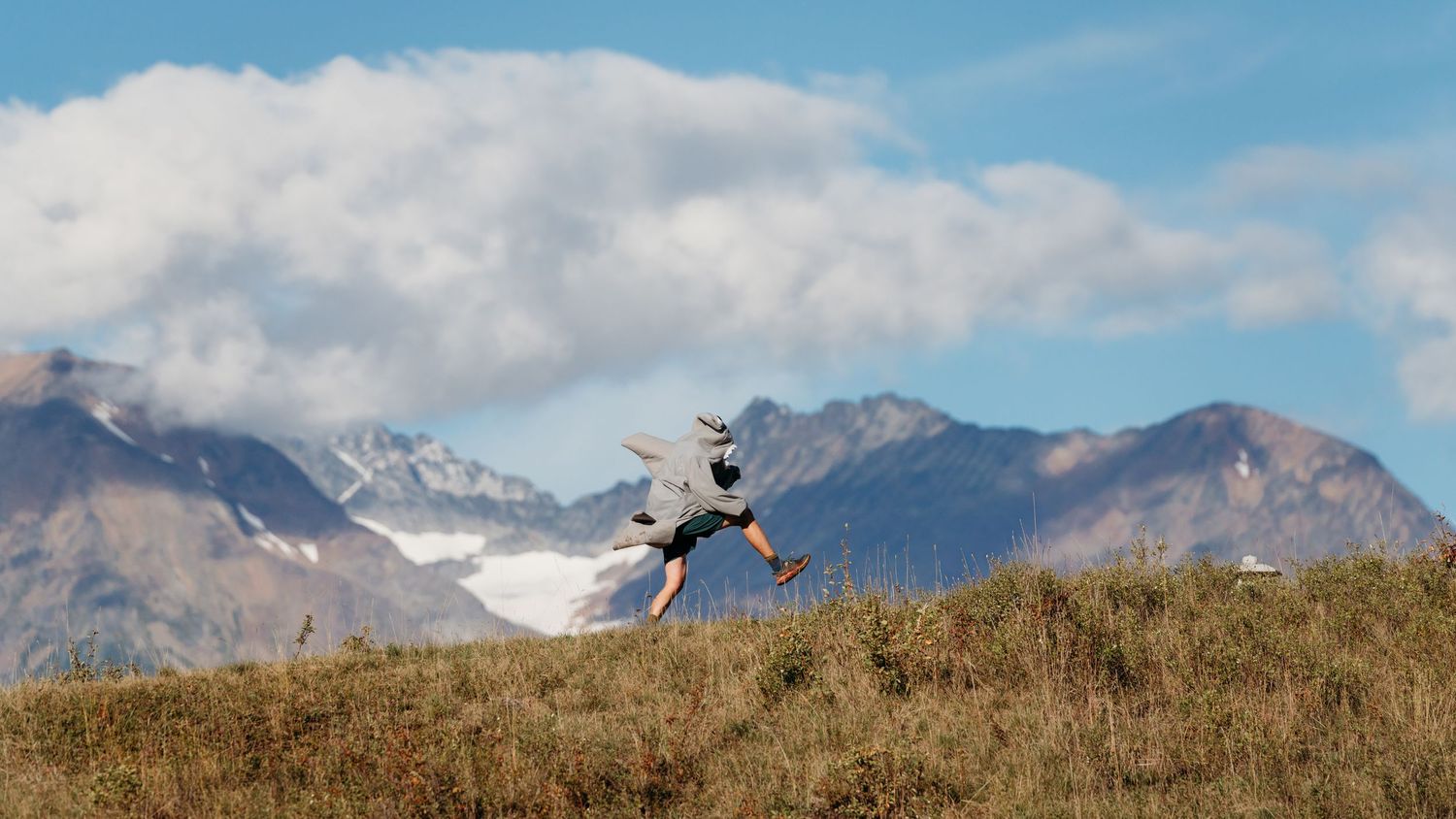
Some ran farther than they ever had before. Kids ran yards. Families camped out. People wore costumes and took part in ridiculous challenges. And when someone’s race ended, they didn’t necessarily leave, they grabbed a chair and stayed to cheer on the other racers.
“Almost everyone runs more than they think they’re going to run out there,” Nina told me.
After spending 28 hours watching RRR unfold, what stayed with me most wasn’t how far the winner ran, it was the people who made those 28 hours possible.
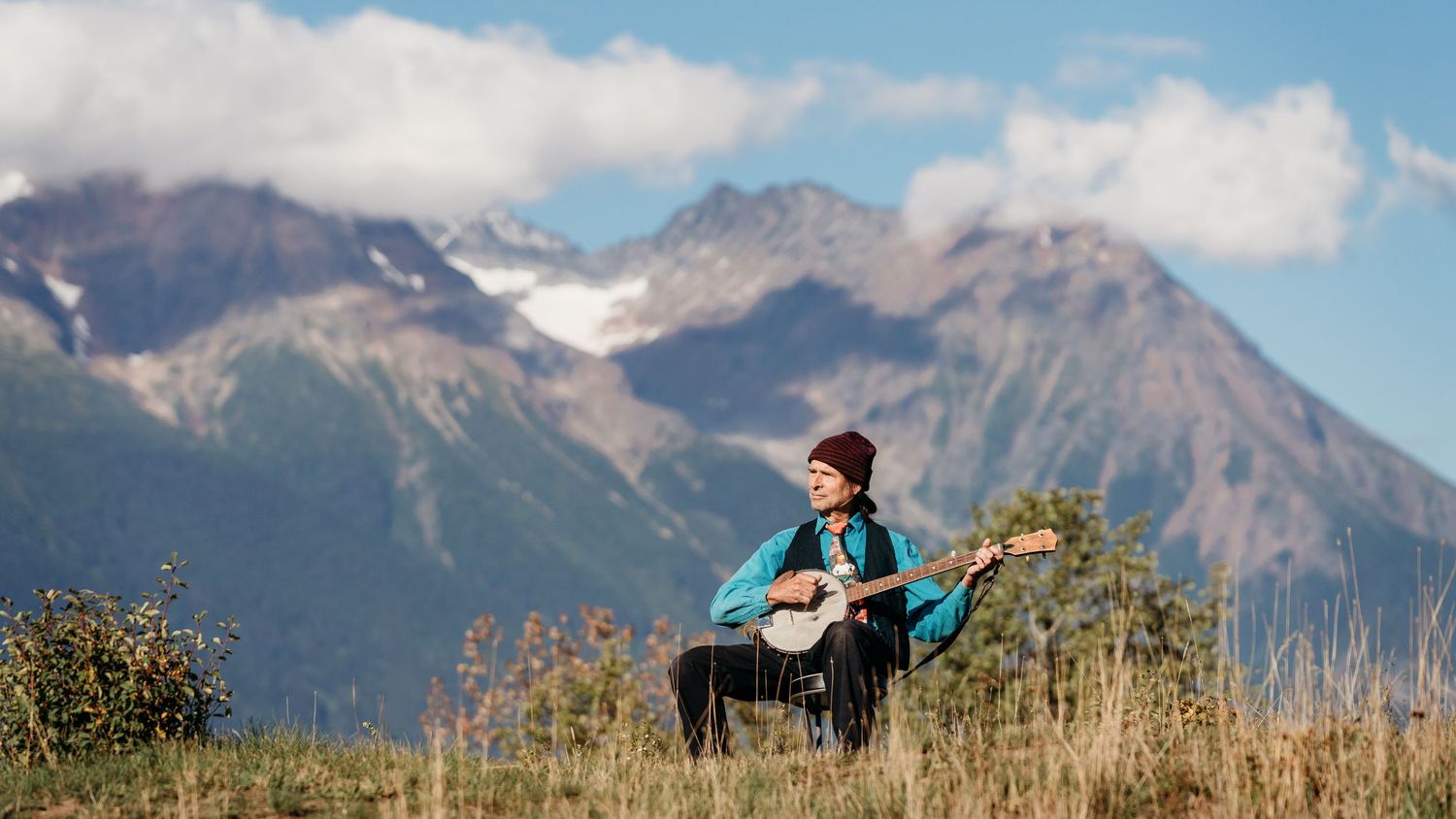
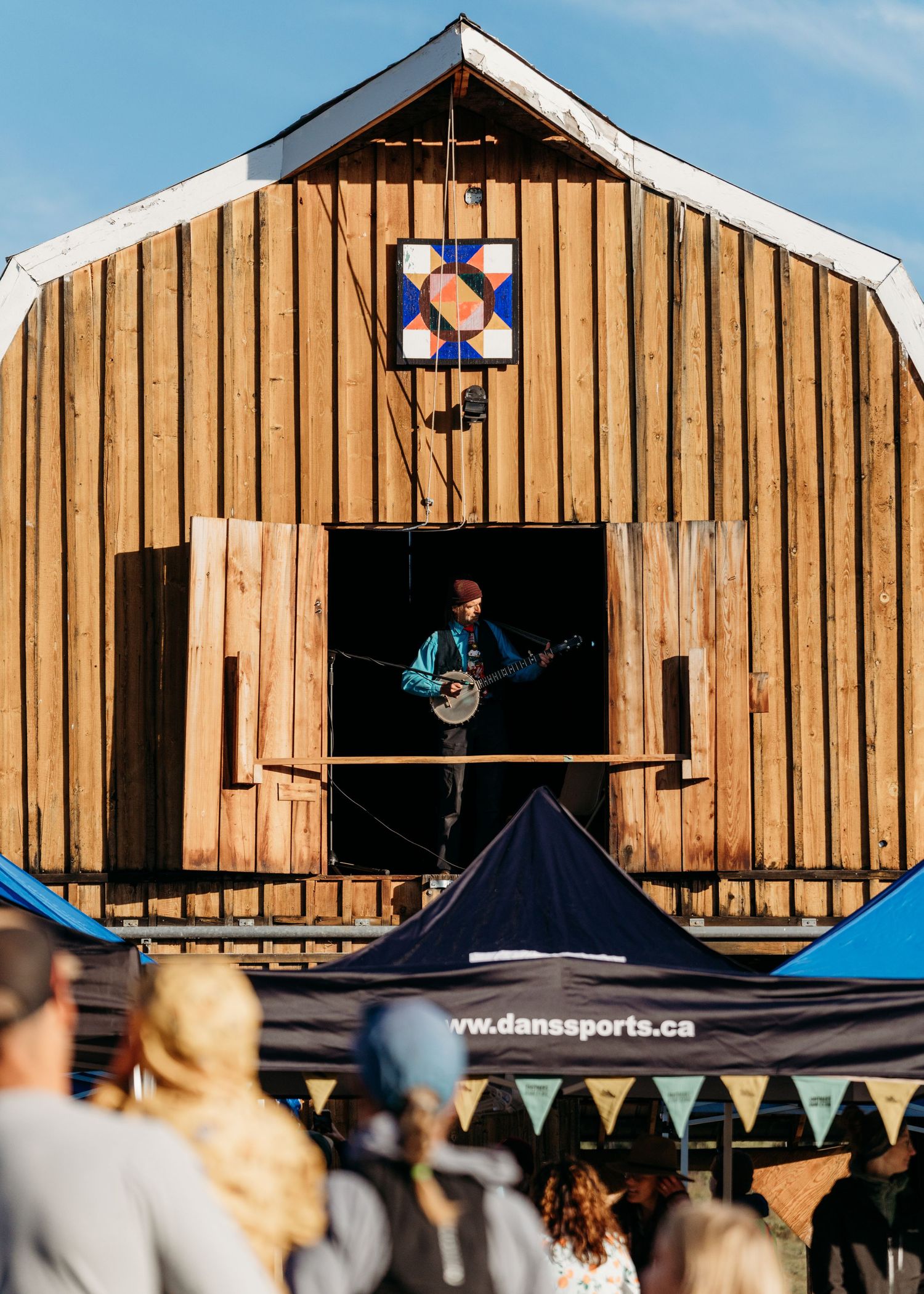
The volunteers. The local musician Paul Glover who serenaded the runners with his banjo, and even ran a lap himself. The local businesses. The families. The kids. The runners who stayed to cheer. The people still standing around campfire the following morning waiting for two runners to come back out of the woods.
Behind the lens